

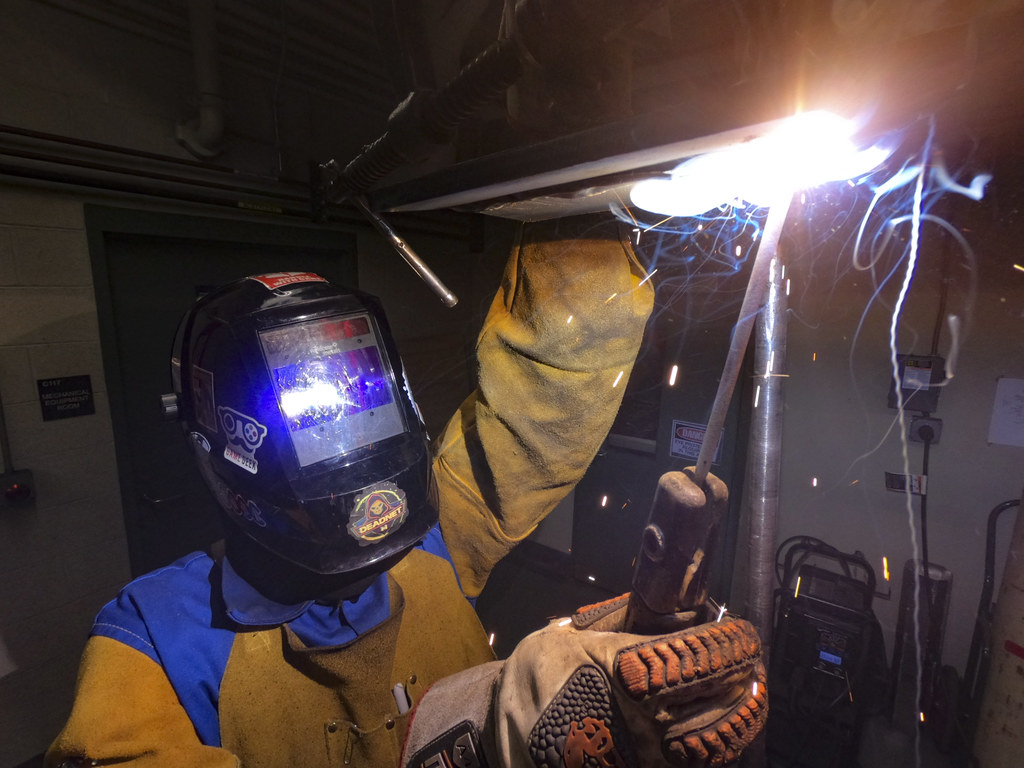
Portugal’s shipyards, metal fabrication shops and growing construction sector can’t find enough qualified welders, and that shortage is pushing pay and opportunity for skilled candidates higher than most people expect.
Industrial investment around Lisbon and Porto, along with steady shipbuilding and repair work in Setúbal and coastal yards, has kept demand for certified welders climbing through 2025 into 2026. Fabrication companies, shipyards and infrastructure contractors are competing for MIG, TIG and stick welders, and many are now offering relocation support and faster hiring timelines to close open positions.
This guide breaks down what welding jobs in Portugal actually involve, how pay differs by process and seniority, the certifications and visa realities you need to know, where the strongest hiring markets are, and concrete steps to get your application taken seriously by fabrication and shipbuilding employers.
If you already hold a welding qualification or solid hands-on experience and are considering Portugal as your next move, this is the practical rundown you need before you start applying.

McDonald’s Jobs – Hiring Now in the USA
McDonald’s is constantly hiring across the USA for crew, cashier, and management positions, with flexible shifts, tuition help, and a genuine path up into leadership. McDonald’s…
Read the Full Guide →Welding Jobs Hiring Across Portugal Right Now
Metal fabrication shops, shipyards and construction contractors throughout Portugal are actively recruiting certified MIG, TIG and stick welders for both permanent and long-term contract work.
About the Role / What the Job Involves
Welders in Portugal work across a wide range of settings, from structural steel fabrication for buildings and bridges to pipe welding in industrial plants and hull repair work in shipyards along the coast. The specific process used — MIG, TIG, stick (SMAK/MMA) or flux-cored — depends on the material and industry, with shipyards and pressure-vessel work often demanding TIG certification for its precision, while structural and general fabrication relies more heavily on MIG and stick welding.
Entry-level welders typically start on simpler structural or fabrication tasks under supervision, then progress to pipe welding, pressure-vessel work or specialised shipyard repair as they gain certifications and experience. Many employers also value welders who can read technical drawings and perform basic quality checks on their own welds, since this reduces rework and speeds up production lines.
Salary, Roles & Openings
| Role / Level | Average Salary (EUR) | Openings Trend | Entry Requirement |
|---|---|---|---|
| Junior Welder (Structural) | €18,500 / year | Rising | Basic welding course certificate |
| MIG/Stick Welder | €21,000 / year | Steady demand | 1–2 years experience |
| TIG Welder (Pipe/Pressure) | €25,500 / year | Rising sharply | TIG certification, 2+ years experience |
| Shipyard Welder | €28,000 / year | Growing fast | Coded welder certification |
| Senior Welder / Inspector | €32,000 / year | Moderate | 5+ years experience, inspection training |
Requirements & Eligibility
EU/EEA citizens can apply directly to any Portuguese employer, but non-EU welders generally need a job offer first, since Portugal’s work visa routes for skilled trades typically require employer sponsorship before a residence and work permit application can proceed. A recognised welding certification — ideally aligned with EN or ASME standards — carries significant weight, and employers frequently ask for a practical welding test as part of the hiring process regardless of paper qualifications.
Basic Portuguese helps with day-to-day communication on site, though many fabrication and shipyard employers operate with enough English or Spanish-speaking supervisors to onboard non-Portuguese speakers, especially in larger industrial operations. Standard documents include a valid passport, proof of welding certification, a criminal record check, and often a medical fitness certificate confirming you can safely perform physically demanding, sometimes confined-space work.
Cities With the Most Openings
Lisbon and its surrounding industrial belt, including Setúbal’s shipyards, offer the highest concentration of welding vacancies in the country, spanning shipbuilding, ship repair and heavy fabrication. Porto follows closely, driven by a strong metalworking and machinery manufacturing base in the north, with many mid-sized fabrication shops hiring steadily throughout the year.
Braga has emerged as a growing hub for structural steel and industrial equipment fabrication tied to its broader manufacturing sector, while Coimbra offers moderate but consistent openings connected to regional construction projects. Faro sees seasonal demand tied to tourism-related construction and marina infrastructure work, making it a useful option for welders open to shorter-term coastal contracts.
Duties & Daily Responsibilities
A typical day starts with reviewing job specifications or technical drawings, selecting the correct welding process and consumables for the material, and setting up equipment safely, including checking gas flow, amperage and ventilation in enclosed spaces. Welders then perform the joins according to spec, frequently pausing to inspect weld quality, clean slag or spatter, and correct any defects before moving to the next section.
Throughout the shift, welders coordinate with fabricators, pipefitters or shipyard supervisors to sequence work correctly, log completed welds for quality traceability, and follow strict safety protocols around protective equipment, fire watch and confined-space entry where relevant. Toward the end of a shift, most sites require welders to maintain their equipment, report consumable usage, and flag any material or design issues that could affect the next stage of production.
Tips to Get Hired Faster
- Get your welding certifications translated and, where needed, validated against EN or ASME standards before applying to Portuguese employers.
- Apply directly to shipyards and fabrication companies in Setúbal and Lisbon, since many roles are filled before reaching general job boards.
- Prepare for a practical welding test — most Portuguese employers assess hands-on skill rather than relying solely on paper qualifications.
- Highlight specific process experience (MIG, TIG, stick) clearly on your CV rather than listing “welder” generically.
- Learn basic workplace Portuguese phrases for safety instructions, even if the shop operates mainly in English.
- Ask about relocation assistance and accommodation support during interviews, since many industrial employers offer this to attract skilled welders from abroad.
Best Places to Search & Apply
Search Net-Empregos and Indeed for current welding vacancies across Portugal, and check IEFP (Portugal’s public employment service) for listings that include training or certification support alongside job placement. EURES is also useful for candidates relocating from elsewhere in the EU or with an existing right to work in Portugal.
Always apply through verified company career pages or these official job boards, and never pay any agency or recruiter a fee to secure an interview or job offer — legitimate Portuguese employers and licensed staffing agencies do not charge welders for placement.
Frequently Asked Questions
Do I need a specific certification to work as a welder in Portugal? Most employers require a recognised welding certificate aligned with EN or ASME standards, and many also run a practical test before hiring.
Can non-EU welders get sponsored work visas for Portugal? Yes, but typically only after securing a job offer, since skilled trade work visas generally require employer sponsorship before the residence permit process can begin.
Is Portuguese language required for shipyard or fabrication jobs? Not always — many industrial employers operate with English or Spanish alongside Portuguese, though learning basic Portuguese improves day-to-day integration and safety communication.
Shipyards and fabrication shops across Lisbon, Porto, Braga, Coimbra and Faro are hiring certified welders now — apply today and get matched with openings suited to your process experience.
