

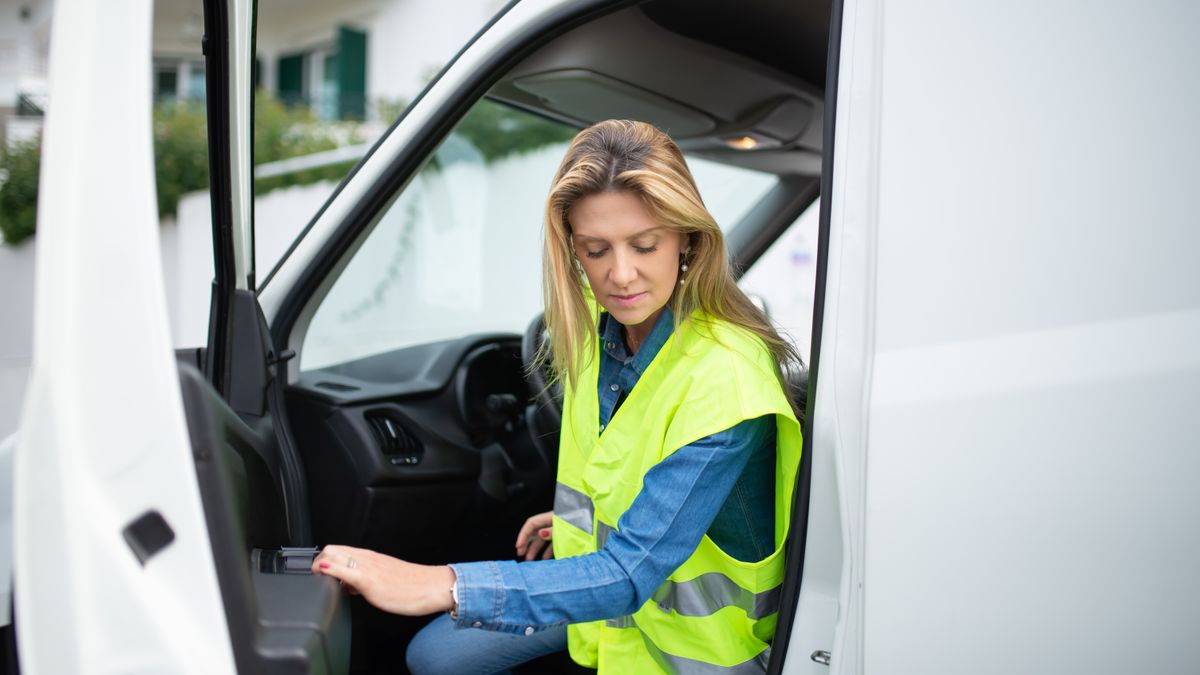
The U.S. Postal Service keeps city carriers, clerks, mail handlers, and drivers on the payroll year-round, with dependable federal-adjacent pay and benefits in every state.
Few employers in the country hire at the scale USPS does, and its staffing needs almost never let up. Retirements, seasonal package spikes, and expanding delivery routes mean the Postal Service is constantly posting for city and rural carriers, mail processing clerks, mail handlers, custodians, and truck drivers. Many of these positions don’t ask for a college degree, making USPS a solid option whether you’re just entering the workforce, changing careers, or want a stable government-adjacent job with predictable pay increases.
The draw for so many applicants is a mix of decent hourly wages, health and retirement benefits, and a real path from part-time or seasonal work into a career-track position. USPS is also known for promoting from within, so starting as a mail handler assistant or city carrier assistant can eventually turn into full-time career status with seniority, better routes, and stronger benefits down the line.
This guide covers the most common USPS job types, what pay and requirements generally look like, and how to build a competitive application. It also explains the postal exam process, the physical side of the job, and questions applicants ask most. Double-check current openings, pay rates, and exam requirements on the official USPS careers site before applying.
Financial Analyst Jobs in the USA – Salary & Requirements
Financial analyst roles across the USA come with strong pay, a clear climb up the ladder, and consistent demand spanning banking, corporate finance, insurance, and investment…
Read the Full Guide →Delivering a Steady Paycheck Nationwide
USPS is hiring in every state, all year round, for people willing to work on their feet.
Common USPS Job Categories
City Carrier Assistants (CCAs) handle mail and package delivery on foot or by vehicle along set routes. Rural Carrier Associates (RCAs) do comparable work in rural territory, frequently driving their own vehicle with mileage reimbursed. Both jobs mean plenty of walking, lifting boxes, and being outside in all kinds of weather, so being physically up for it matters more than a stacked resume.
Inside the facility, Mail Handler Assistants and Sales & Service/Distribution Associates sort packages, load delivery trucks, and work retail counters. Postal Support Employees (PSEs) cover flexible duties spanning both clerk and carrier work. Moving mail between distribution hubs falls to tractor-trailer operators, who generally need a commercial driver’s license (CDL).
Pay, Schedule, and Benefits
Entry-level positions like CCA or PSE typically start somewhere around $19 to $25 an hour, with plenty of overtime available during peak shipping months like November and December. Once step increases and union contract terms kick in, career city carriers and clerks with seniority often see pay climb into the high $20s or low $30s per hour. CDL-required truck driving roles pay even more given the licensing involved.
Employees who reach career status get access to the Federal Employees Health Benefits program, a retirement plan modeled on other federal programs, paid time off, and life insurance. Non-career PSEs and CCAs start with a leaner benefits package but have a path to converting to career status as seniority and performance build up.
The Application and Exam Process
Nearly all USPS positions require clearing an online assessment, often called the postal exam (the 474 or 475 series, depending on the role), which is designed to gauge attention to detail, safe work habits, and situational judgment rather than test academic knowledge. Skip any paid “USPS exam prep” services — free practice questions and study guides are readily available, and what the test actually looks for is honesty, dependability, and following procedure.
Applicants who score well after the assessment move on to an interview, a background check, and a drug test, since USPS runs a drug-free workplace. Carrier and driving roles require a valid, clean driver’s license. Depending on local hiring demand, the full process from application to start date can run anywhere from a few weeks to a couple of months.
Typical USPS Roles at a Glance
| Role | Approx. Pay Range | Physical Demand | Key Requirement |
|---|---|---|---|
| City Carrier Assistant | $19–$25/hr | High (walking, lifting) | Valid driver’s license |
| Rural Carrier Associate | $20–$26/hr | High | Own reliable vehicle |
| Mail Handler Assistant | $18–$24/hr | High (lifting parcels) | Ability to lift up to 70 lbs |
| Postal Support Employee (Clerk) | $18–$23/hr | Moderate | Customer service skills |
| Tractor-Trailer Operator | $26–$33/hr | Moderate | Valid CDL |
| Custodial/Maintenance | $17–$22/hr | Moderate | Basic facility upkeep experience |
| Career City Carrier (after conversion) | $27–$35/hr | High | Seniority as CCA |
Tips for a Strong Application
- Apply through the official USPS careers site directly, keeping one accurate profile instead of submitting duplicates.
- Answer the online assessment truthfully — how consistent your answers are matters more than picking whatever sounds impressive.
- Note any driving, warehouse, delivery, or customer service background, since it lines up directly with carrier and clerk duties.
- Have a valid driver’s license and clean driving record ready to show if you’re applying for a carrier or driving role.
- Get ready for the physical side ahead of time — many roles call for lifting parcels up to 70 pounds and hours of walking.
- A polite follow-up after a few weeks of silence is reasonable, since individual post offices run their own hiring timelines.
Frequently Asked Questions
Do I need a college degree to work for USPS? No, most positions, including carrier, clerk, and mail handler roles, only require a high school diploma or equivalent, and some don’t have a formal education requirement at all.
Is the postal exam hard to pass? It’s built to test judgment and reliability rather than academic knowledge, so most honest, attentive applicants who follow instructions carefully perform well.
Can a City Carrier Assistant become a full-time career employee? Yes, CCAs and other non-career staff can move into career status over time depending on seniority, performance, and openings available at their facility.
Does USPS hire seasonal workers for the holidays? Yes, USPS routinely adds seasonal staff during the November-December peak shipping rush, and that stint can turn into a longer-term role.
What background checks does USPS run? USPS generally runs a criminal background check, confirms employment history, and requires a drug test before hiring.
Are USPS jobs unionized? A large share of USPS jobs fall under collective bargaining agreements, which typically establish structured pay scales, step raises, and workplace protections.
Ready to look into a stable, benefits-backed career with the nation’s postal service?
