

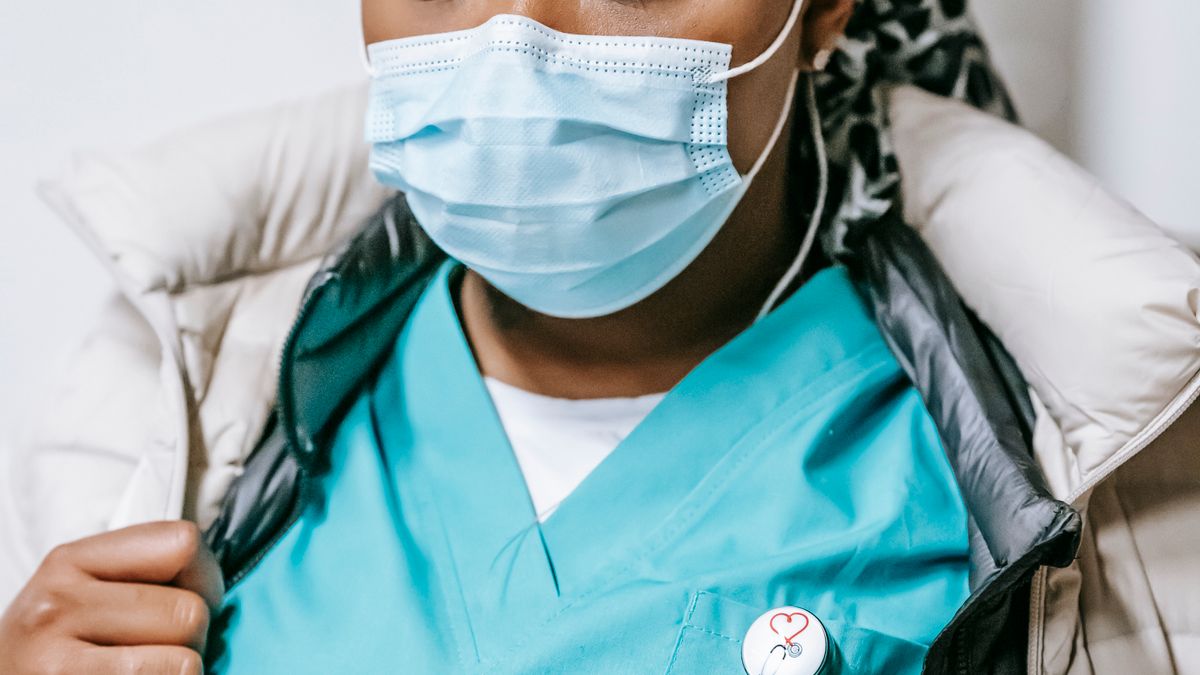
Healthcare hiring keeps surging across the USA, with hospitals, clinics, and home-care agencies actively recruiting nurses, technicians, and support staff nationwide right now.
The U.S. healthcare sector keeps adding jobs faster than nearly any other industry, driven by an aging population, ongoing staffing shortages, and the steady growth of outpatient and home-based care. Whether you hold a nursing degree, a technical certification, or no formal credential at all, there’s likely a healthcare role suited to your background. Many employers are now dangling sign-on bonuses, tuition reimbursement, and flexible scheduling just to fill open positions.
What makes healthcare especially attractive is the variety of entry points. You can start as a certified nursing assistant or medical assistant after a short training program, then work your way toward more advanced clinical or administrative roles over time. Remote and hybrid positions in medical billing, coding, and telehealth support have also grown, giving job seekers more flexibility than the industry offered a decade ago.
This guide walks through the healthcare roles seeing the highest demand right now, honest pay ranges, how to apply effectively, and what hiring managers actually look for. Whether you’re entering healthcare for the first time or switching specialties, use this as a practical roadmap to your next job.

Dairy Queen Jobs – Hiring Now in the USA
Dairy Queen jobs come with flexible scheduling, a friendly team atmosphere, and a genuine route into restaurant management for motivated workers in cities and small towns…
Read the Full Guide →Where the Healthcare Hiring Boom Is Happening
Patient demand is outpacing staff supply, and employers are hiring fast.
🩺 Clinics
🧪 Labs
🏠 Home Care
💻 Telehealth
Top Roles Employers Are Hiring For
Registered nurses (RNs) remain the backbone of hospital staffing, with especially strong demand in emergency departments, intensive care units, and long-term care facilities. Licensed practical nurses (LPNs) and certified nursing assistants (CNAs) fill critical gaps and typically require far less schooling, making them a quick entry point into healthcare.
Beyond bedside care, allied health roles are climbing too. Medical assistants, phlebotomists, radiologic technologists, and physical therapy aides are all seeing steady demand at outpatient clinics and diagnostic centers. On the administrative side, medical billing and coding specialists, health information technicians, and patient care coordinators are increasingly hired into remote or hybrid positions.
How to Apply and Stand Out
Start by tailoring your resume to the specific role instead of blasting out a generic version everywhere. List your license or certification number clearly, mention any EHR software you know (like Epic or Cerner), and quantify your experience where you can, such as patient load or shift type. Apply directly through hospital career portals and major job boards like Indeed, Health eCareers, and state nursing association job boards, since many healthcare systems post openings there first.
Networking still matters in healthcare. Reach out to alumni from your nursing or allied health program, join LinkedIn groups for your specialty, and consider a staffing agency if you want travel assignments or short-term contracts. Agencies often move faster than direct hospital HR departments and can place you within days for urgent-need units.
Certifications and Licensing You’ll Need
Most clinical roles require a state license or national certification, with requirements varying by position. CNAs generally need a short state-approved training program plus a competency exam, while RNs need an associate or bachelor’s degree in nursing and must pass the NCLEX-RN. Medical assistants and phlebotomists often benefit from certification through bodies like the AAMA or NHA, even where it isn’t strictly required by law.
If you’re switching careers into healthcare, look into community college bridge programs that compress training into six to eighteen months. Many hospitals also offer tuition assistance or loan repayment for employees willing to commit to a set number of years, which can meaningfully cut your out-of-pocket training costs.
Typical Pay by Role
| Role | Typical Pay Range (Annual) | Demand Trend | Typical Requirement |
|---|---|---|---|
| Registered Nurse (RN) | $65,000 – $95,000 | High | ADN/BSN + NCLEX license |
| Licensed Practical Nurse (LPN) | $48,000 – $60,000 | High | State LPN license |
| Certified Nursing Assistant (CNA) | $30,000 – $38,000 | Steady | State CNA certificate |
| Medical Assistant | $36,000 – $46,000 | Steady | Certificate program |
| Radiologic Technologist | $55,000 – $72,000 | Growing | Associate degree + ARRT cert |
| Medical Billing & Coding Specialist | $40,000 – $52,000 | Growing (remote) | Coding certification (CPC) |
| Home Health Aide | $28,000 – $35,000 | High | Short state training |
Tips to Land a Healthcare Job Faster
- Apply directly on hospital and health system career pages, not just aggregator sites.
- Keep your license and certifications current and easy to verify online.
- Call out EHR software experience like Epic, Cerner, or Meditech on your resume.
- Consider a staffing or travel nursing agency for faster placement and higher pay.
- Ask about sign-on bonuses and tuition reimbursement during interviews.
- Follow up within a week of applying since clinical hiring managers tend to move quickly.
Frequently Asked Questions
Do I need a college degree to start a healthcare career? Not always. Roles like CNA, home health aide, and medical assistant typically require only a short certificate program, often finished in a few months.
Are healthcare jobs available for career changers with no medical background? Yes. Many hospitals hire entry-level support staff and offer paid training or tuition help to move you into clinical roles later.
Is travel nursing a good option for higher pay? Travel nursing assignments often pay noticeably more than staff positions and include housing stipends, but they require flexibility to relocate every few months.
How long does it take to become a Registered Nurse? An associate degree in nursing typically takes about two years, while a bachelor’s degree takes about four, followed by passing the NCLEX-RN exam.
Can I work in healthcare remotely? Yes, roles in medical billing and coding, health information management, telehealth support, and case management are increasingly available as remote or hybrid positions.
What is the fastest way to get hired for an entry-level role? Earn a recognized certification, apply directly through hospital career sites, and follow up promptly since many facilities are short-staffed and hire quickly.
Ready to find the healthcare job that fits your skills and schedule?
