


Restaurants and food operations across the USA are hiring all year long, with flexible shifts, fast onboarding, and genuine paths from an entry-level cook or server job into management.
Restaurants, hotels, cafeterias, catering outfits, and grocery deli counters are almost never fully staffed. This industry naturally sees more turnover than most, which keeps new openings popping up week after week in cities and small towns alike. If you’re looking for a first job, extra income, or a restart after being laid off, food service is still one of the quickest paths to a paycheck.
The appeal comes down to how easy it is to get in the door. Positions like line cook, prep cook, host, dishwasher, and counter staff rarely demand a degree or much prior experience. What employers actually care about is punctuality, a good attitude, and a willingness to learn — not a polished resume. Plenty of locations get new hires trained within the first week, and some make same-day or next-day hiring calls right after a brief interview.
There’s also a real ladder to climb. Shift leads, kitchen managers, general managers, and regional trainers frequently began as entry-level crew. Combine that with flexible scheduling that works around school or parenting, free or discounted meals, and tip income in server and barista jobs, and it’s clear why food service keeps being a reliable choice for millions of workers across the country.
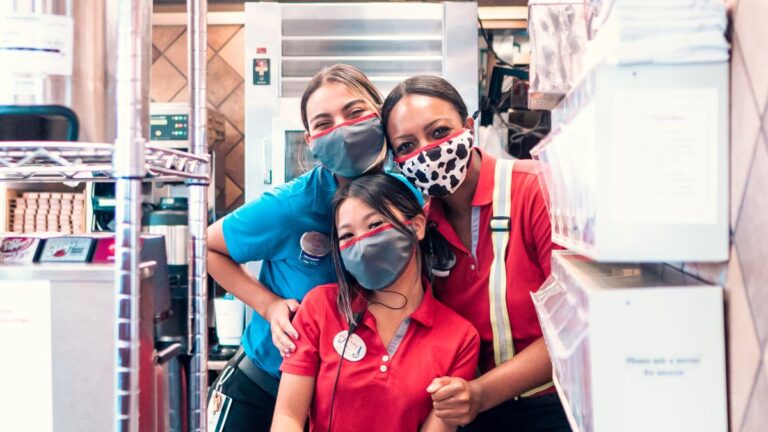
KFC Jobs – Hiring Now in the USA
Want flexible, entry-level restaurant work with real room to grow into a leadership role? KFC locations across the US regularly bring on team members, cooks, and…
Read the Full Guide →Your Next Shift Starts Here
From kitchens to counters, one of the quickest routes into a steady paycheck is available right now.
⏰ Flexible Shifts
📈 Room to Grow
🎓 No Degree Needed
💵 Tips + Discounts
Where the Jobs Are
Fast-food chains, sit-down restaurants, coffee shops, hotel kitchens, cafeterias at hospitals and schools, and catering businesses are hiring constantly. Deli counters and prepared-food sections at grocery stores are another solid source of openings, frequently offering steadier daytime hours compared to typical restaurant shifts. Stadiums and airports run their own food service operations too, staffing up for events and busy travel periods.
Try searching job boards with terms such as “line cook,” “crew member,” “server,” “barista,” “dishwasher,” and “food service worker” to pull up the broadest set of listings. It also pays to check a specific chain’s own careers page alongside general job sites, since companies often post new roles there before they show up elsewhere.
Common Roles and What They Involve
Roles like dishwasher, prep cook, cashier, host or hostess, and busser sit at the entry level. The job mostly comes down to following directions, keeping your station clean and safe, and staying quick on your feet when things get busy. Line cook and server jobs ask for a bit more — basic knife skills, knowing the menu inside and out, or accurately taking orders and payments from customers.
Beyond that tier, shift supervisors and assistant managers take on scheduling duties, opening and closing the location, and jumping in wherever the team is stretched thin. General managers are responsible for hiring, budgeting, controlling food costs, and the location’s overall performance. It’s common for someone to work through several of these levels in as little as one or two years of consistent work.
Applying and Interviewing Successfully
Where you can, walk in and apply in person, especially at independently owned restaurants — a friendly face and a printed resume often beats an anonymous online application. Larger chains usually want you to apply through their official app or careers page, since their scheduling systems are typically built around that portal. If a week or so passes without a response, a polite follow-up is worthwhile.
Walk into the interview ready to discuss moments you worked under pressure, defused a difficult customer situation, or pulled together as part of a team. What managers are really assessing is whether you’ll show up reliably and stay level-headed during a rush. Showing up a few minutes early in clean, tidy clothing carries a lot of weight in this line of work.
Pay, Tips, and Typical Ranges
| Role | Typical Pay Range | Tips Common? | Experience Needed |
|---|---|---|---|
| Dishwasher | $13 – $18/hr | No | None |
| Cashier / Counter Staff | $13 – $17/hr | Occasionally | None |
| Server / Waitstaff | $9 – $13/hr + tips | Yes | Little to none |
| Barista | $14 – $19/hr + tips | Yes | Little to none |
| Line Cook | $15 – $21/hr | No | Basic kitchen skills |
| Shift Supervisor | $17 – $23/hr | No | 6-12 months |
| Assistant / General Manager | $44,000 – $66,000/yr | No | 1-3 years |
Tips to Get Hired Faster
- Send applications to multiple nearby locations at the same time rather than waiting to hear back from just one.
- Mention any cash handling, customer service, or teamwork background, including experience earned through volunteering.
- Play up your open availability, especially weekends and evenings, since those are the hardest shifts to staff.
- Line up a food handler’s card or ServSafe certificate beforehand if your state calls for one — it signals initiative.
- Talk to current staff or read reviews to find out which locations are known for fair scheduling and good management.
- If a week passes with no word back, a polite phone call or in-person follow-up is a good move.
Frequently Asked Questions
Do I need experience to get a food service job? Not at all — entry-level jobs like dishwasher, cashier, and prep cook are typically trained on site and welcome people with zero prior experience.
Is a food handler’s card required? Plenty of states require one for roles that involve handling food; the rules differ, so check with your state or county health department as well as the employer’s own policy.
Can I work part-time in food service? Yes, flexible and part-time scheduling is the norm, which is why so many students and people juggling multiple jobs gravitate toward this field.
How fast can I get hired? Quite fast — many restaurants and chains interview and extend offers within days, and some decide the same day after a short conversation.
What benefits do food service jobs typically offer? Typical perks include discounted or free meals, flexible hours, and, at bigger companies, health coverage or tuition help for full-time employees.
Can food service lead to a management career? Absolutely — a large share of shift leads and general managers started out as entry-level crew and worked their way up internally.
Ready to land a food service job near you and start bringing home a paycheck sooner rather than later?
