

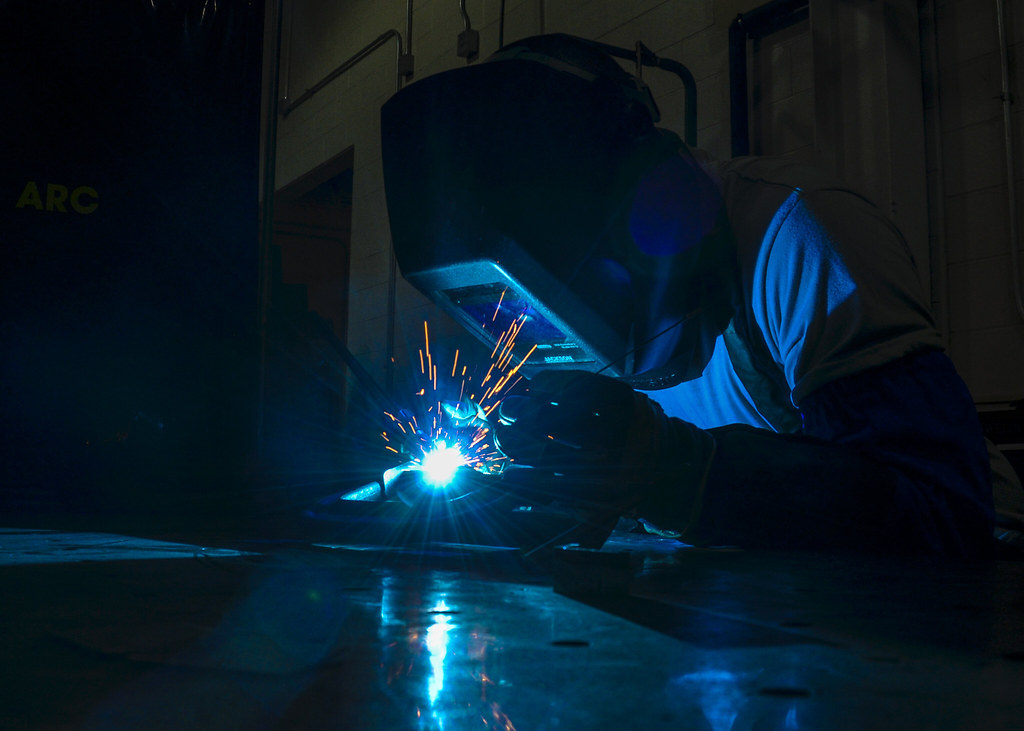
Italy’s manufacturing and shipbuilding sectors are short on qualified welders, and that shortage is pushing wages up faster than almost any other skilled trade in the country.
From automotive plants in the north to shipyards along the coast and pipeline projects across the industrial belt, Italian employers are actively recruiting certified welders and struggling to fill vacancies with local talent alone. Metalworking associations have flagged welding as one of the top three hardest trades to staff in 2026, which means overtime pay, relocation packages and even certification sponsorship are becoming common incentives.
This guide breaks down what welders actually do across Italian industries, realistic salary ranges by specialisation and seniority, the certifications and visa pathways non-EU applicants need, where the best-paying jobs are concentrated, and practical steps to get hired quickly.
If you already hold a welding qualification or professional certification, Italy in 2026 is one of the more rewarding European markets to target — read on for the details that matter before you apply.

Entry-Level Jobs in the USA With Good Salaries
A surprising number of entry-level jobs across America now pay well above minimum wage, particularly in logistics, healthcare, tech support, and the skilled trades. A four-year…
Read the Full Guide →Welder Jobs Hiring Across Italy Right Now
Manufacturing plants, shipyards and construction contractors throughout Italy are offering some of the highest skilled-trade wages in the country to attract certified welders.
About the Role / What the Job Involves
Welders in Italy work across a surprisingly broad range of industries: automotive component manufacturing around Turin and Bologna, shipbuilding and marine fabrication near coastal yards, structural steel work on construction sites, and pipeline or pressure-vessel welding for the energy sector. The exact process used — MIG/MAG, TIG, or stick welding — depends heavily on the industry, with TIG generally commanding the highest pay because of the precision it demands on stainless steel and aluminium.
Entry-level welders typically start on simpler structural or production-line work under supervision, while certified and experienced welders move into pressure-pipe welding, aerospace-grade fabrication or shipyard hull work, where pay rises sharply. Many factories also run their welders through rotating shifts, and overtime during peak production periods is common and well compensated.
Salary, Roles & Openings
| Role / Level | Average Salary (EUR) | Openings Trend | Entry Requirement |
|---|---|---|---|
| Junior Welder (MIG/MAG) | €24,000 / year | Rising | Basic welding certificate |
| Structural Welder | €28,000 / year | Steady demand | 2+ years experience |
| TIG Welder (Stainless/Aluminium) | €32,500 / year | Rising sharply | Certified TIG qualification |
| Pipe Welder (Pressure Systems) | €35,500 / year | High demand | ASME/EN certification |
| Welding Supervisor / Inspector | €38,000 / year | Moderate | 5+ years, inspection qualification |
Requirements & Eligibility
EU/EEA nationals can be hired directly once they show a recognised welding certification, such as an EN 287/9606 qualification test passed for the relevant process and material. Non-EU applicants generally need a job offer from an Italian employer willing to sponsor a work permit through the Decreto Flussi quota system, since welding regularly appears on regional shortage-occupation lists that make sponsorship easier to obtain.
Documents typically requested include your welding certification or test records, a passport, a clean criminal record certificate, and proof of relevant work history. Employers increasingly test candidates practically during interviews rather than relying on paper qualifications alone, so being ready to demonstrate your technique matters. Basic Italian is useful for site communication and safety briefings, though many factory floors operate with simplified, safety-focused vocabulary that’s quick to pick up.
Cities With the Most Openings
Turin and its surrounding Piedmont region remain Italy’s automotive and heavy-manufacturing heartland, generating steady demand for production-line and structural welders. Milan’s wider industrial belt covers everything from machinery fabrication to metal component suppliers feeding the fashion and design industries’ equipment needs.
Naples and its port area offer strong openings in marine and shipyard welding, Bologna’s engineering and packaging-machinery clusters need precision TIG welders for stainless equipment, and Rome’s infrastructure and construction projects keep structural welding roles consistently available. Coastal shipyards further south also recruit heavily during vessel-refit seasons.
Duties & Daily Responsibilities
Daily work starts with reviewing technical drawings and welding procedure specifications for the job at hand, then preparing materials, selecting the correct filler and settings, and running test welds to confirm parameters before production work begins. Welders inspect their own joints for defects, use gauges to check weld dimensions, and log completed work for quality traceability.
Safety procedures are taken seriously — proper ventilation, protective equipment and fire-watch protocols are mandatory, especially in shipyard and confined-space pipe work. Welders also coordinate closely with fabricators, quality inspectors and site supervisors, and on larger projects may need to pass periodic re-certification tests to keep working on pressure or structural components.
Tips to Get Hired Faster
- Get your welding certification translated and, where needed, validated against Italian or EN standards before applying.
- Bring photos or a portfolio of completed welds — visual proof of quality often matters more than a CV line.
- Target manufacturers and shipyards directly through their HR pages, since skilled-trade roles are often filled before reaching general job boards.
- Highlight specific process expertise (TIG, pipe, aluminium) clearly in your application title, not buried in the description.
- Be ready for a practical welding test during interviews — employers increasingly skip theory and assess technique directly.
- Ask about relocation or accommodation support upfront, since many industrial employers outside major cities offer it to attract skilled welders.
Best Places to Search & Apply
Check Indeed.it and EURES for nationwide welding vacancies, and search InfoJobs and Subito for regional manufacturing and shipyard postings that don’t always appear on larger platforms. Specialist metalworking and industrial recruitment agencies operating in Turin, Bologna and Naples are also worth contacting directly, as many fill skilled-trade roles through referral networks.
Only apply through verified employer postings or official agency listings, and never pay a fee to a recruiter for access to a welding job — legitimate Italian employers cover certification top-ups and onboarding costs themselves.
Frequently Asked Questions
Which welding certification is most valued in Italy? EN 287/9606 qualifications for the relevant process and material are the most widely recognised, with pipe welders also benefiting from ASME certification on international projects.
Can non-EU welders get sponsored work permits? Yes — welding frequently appears on regional shortage lists, which improves the chances of employer sponsorship through the Decreto Flussi quota system.
Do I need to speak Italian fluently? No — functional safety-related Italian is usually enough on the shop floor, though learning more will help with career progression into supervisory roles.
Certified welders are in short supply across Italy’s factories and shipyards right now — start your application today and connect with employers actively hiring.
