
Italy’s dairy belt never sleeps, and right now its farms are short of hands willing to learn the trade from the ground up.
From the misty pastures of the Po Valley to smallholdings tucked into the hills above Turin, dairy farm helper jobs have become one of the steadiest entry points into Italian agriculture for workers with no prior farm background. Cheese cooperatives producing Grana Padano and Parmigiano-Reggiano need reliable helpers for milking sheds, calf pens and general barn upkeep, and many owners say finding local staff willing to start at dawn is harder every year.
This guide breaks down what a dairy farm helper actually does in Italy, how much the role pays across different levels of responsibility, which regions are hiring fastest, and what documents a foreign applicant needs before showing up at the farm gate. We also cover the language basics you can get away with on day one versus what you’ll need after six months.
If you don’t mind early mornings, physical work and animals, keep reading — this is a realistic path into stable, year-round employment in Italy, not a seasonal gig that vanishes after harvest.

Entry-Level Jobs in the USA for Beginners
Starting out in the workforce can feel daunting, but thousands of entry-level jobs across the United States welcome beginners with open arms and genuine long-term growth…
Read the Full Guide →Dairy Farm Helper Jobs Hiring Across Italy Right Now
Dairy cooperatives in Lombardy, Piedmont and Emilia-Romagna are actively recruiting helpers for milking, feeding and barn maintenance shifts.
About the Role / What the Job Involves
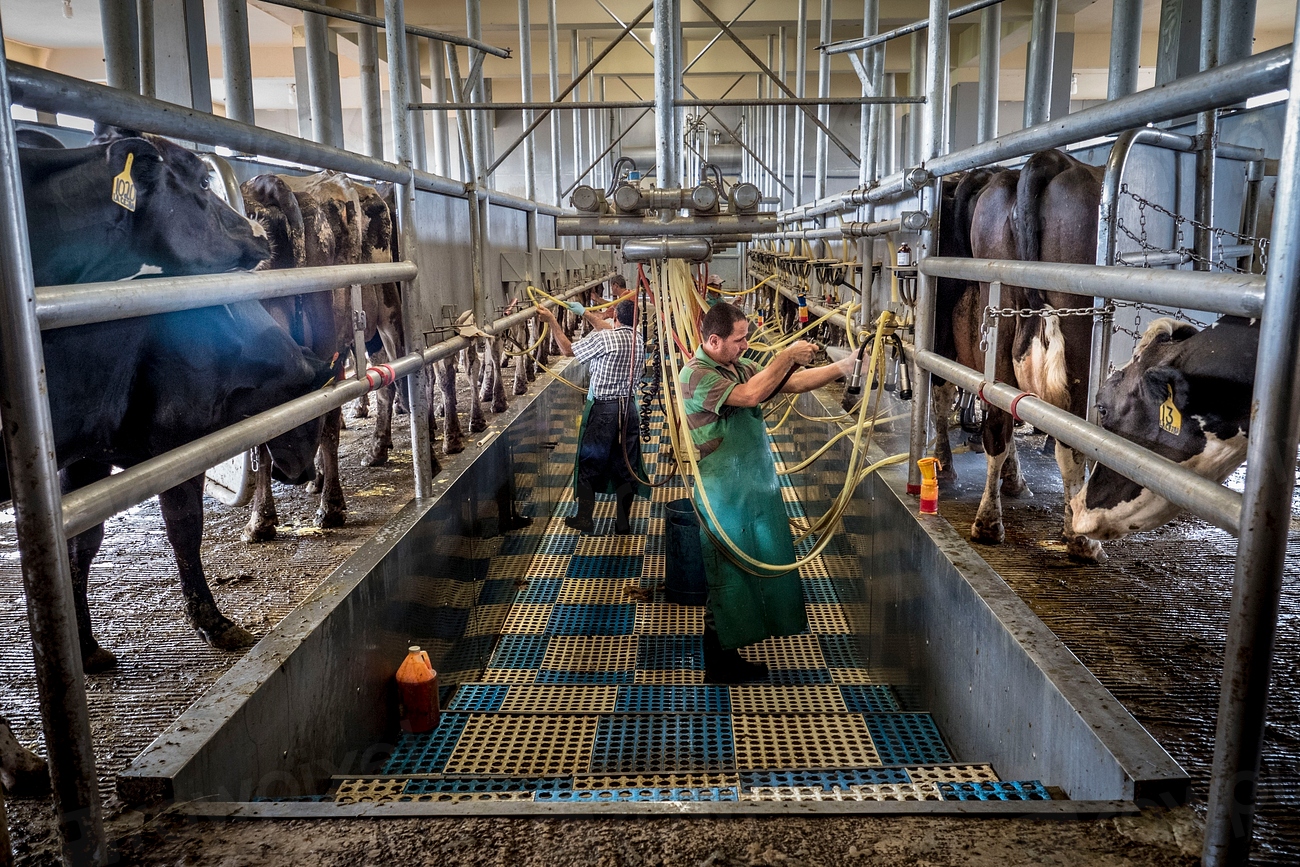
A dairy farm helper supports the daily rhythm of a working dairy operation: assisting with morning and evening milking, feeding calves and adult cattle, cleaning stalls and milking parlours, and keeping equipment and pathways in order. On smaller family-run farms near Turin you might also help with hay handling and fence repair, while larger cooperative operations feeding Grana Padano production near Milan tend to have more specialised, rotating shifts.
No formal qualification is expected to start, but a genuine comfort around large animals and a willingness to work outdoors in all weather matters more than any certificate. Most farms train new helpers on their specific milking equipment and hygiene protocols within the first two weeks.
Salary, Roles & Openings
| Role / Level | Average Salary (EUR) | Openings Trend | Entry Requirement |
|---|---|---|---|
| Dairy Farm Helper (Entry) | €16,500 / year | Rising | None, on-the-job training |
| Milking Assistant | €18,800 / year | Steady | 3+ months farm experience |
| Herd Care Assistant | €20,500 / year | Rising | 6+ months, basic animal handling |
| Dairy Farm Technician | €22,700 / year | Steady | 1+ year, equipment knowledge |
| Farm Team Supervisor | €24,900 / year | Limited | 2+ years, basic Italian fluency |
Requirements & Eligibility
EU/EEA citizens can be hired directly once a farm confirms a job offer and registers the contract locally. Non-EU applicants generally need a work permit tied to Italy’s annual Decreto Flussi quota, which allocates a set number of agricultural work visas each year — timing your application around the quota announcement matters, since slots fill quickly. A valid passport, a signed employment contract from the farm, and proof of accommodation are the core documents most employers or sponsors will ask for.
Basic spoken Italian is genuinely useful from day one for safety instructions and understanding milking schedules, though many farms in the Po Valley have hosted foreign workers for years and are patient with beginners. A short farm-hygiene or food-safety course (often provided free by regional agricultural bodies) can strengthen an application even without prior dairy experience.
Cities With the Most Openings
Milan’s surrounding province sits at the heart of Lombardy’s dairy country, with dozens of family farms and cooperatives within commuting distance of smaller towns outside the city itself. Bologna and the wider Emilia-Romagna region, historic home of Parmigiano-Reggiano, regularly list helper roles tied to certified cheese-milk production, where pay tends to run slightly above the national farm average.
Turin and the Piedmont hills offer smaller, more traditional operations with a mix of dairy and mixed livestock work, useful if you want broader farm experience. Naples and the south have fewer large-scale dairy operations but do offer buffalo-mozzarella farms near Caserta that hire helpers under similar terms. Rome itself has limited dairy farming nearby, but agencies based in the capital often place workers onto farms across Lazio and neighbouring regions.
Duties & Daily Responsibilities
A typical day starts before sunrise with the first milking session, checking each animal for signs of illness or discomfort before moving to feeding rounds. Helpers clean the milking parlour and equipment thoroughly between sessions, since hygiene standards for certified cheese milk are strict and inspected regularly.
Midday hours often involve barn maintenance, moving feed and bedding, and assisting with calving season tasks when they arise. The second milking in late afternoon closes the working day, followed by equipment sanitising and a final walk-through of the herd. Weekend rotations are common since dairy cattle need consistent care every single day of the year.
Tips to Get Hired Faster
- Highlight any exposure to animals at all, even unrelated farm chores back home — it signals comfort with livestock.
- Learn 20–30 basic Italian farm terms (mungitura, stalla, mangime) before your interview.
- Apply directly to cooperatives near Bologna and Milan rather than waiting for third-party listings alone.
- Ask about on-site or nearby worker housing, which many dairy farms provide at low cost.
- Be upfront about your visa status early — it saves both sides time and builds trust.
- Show flexibility with early-morning and weekend shifts, since dairy work never fully stops.
Best Places to Search & Apply
Start with EURES, the EU’s official job mobility portal, which lists verified agricultural vacancies across Italy including dairy roles. Indeed.it and Subito.it both carry a steady stream of farm helper postings, often placed directly by farm owners rather than agencies. Regional agricultural associations (Coldiretti and Confagricoltura chapters) sometimes post openings too and can be a useful direct contact point.
Always apply through official listings and never send money to anyone promising to “guarantee” a farm job or visa slot — legitimate employers and government programs do not charge job seekers a placement fee.
Frequently Asked Questions
Do I need farming experience to apply? No — most dairy farms hire helpers with zero experience and train them on milking and animal-handling routines within the first few weeks.
Is accommodation usually provided? Many dairy farms, especially in rural Lombardy and Piedmont, offer on-site or nearby housing at reduced rates given the early-morning shift pattern.
How hard is it for a non-EU citizen to get hired? It’s possible but tied to Italy’s annual Decreto Flussi work-permit quota, so timing your application to coincide with the quota window significantly improves your chances.
Dairy farm helper roles across Italy offer steady, year-round work for anyone ready to start early and learn on the job.
