

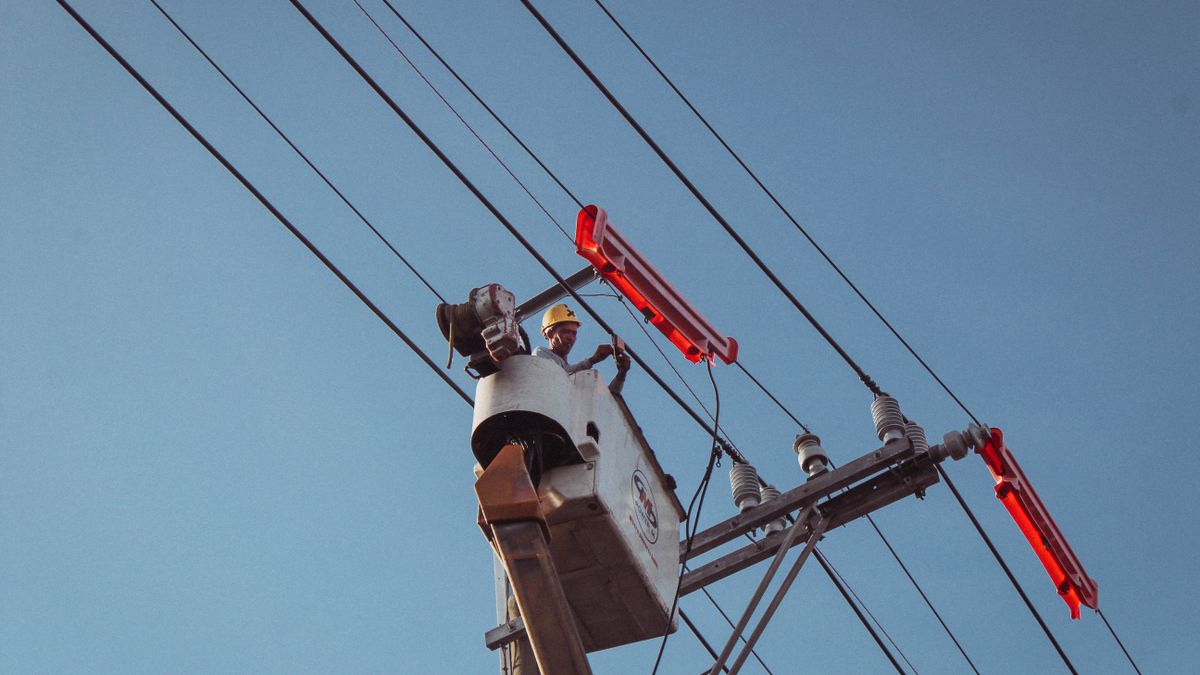
Skipping the four-year degree doesn’t mean skipping a big paycheck — several skilled trades and technical fields now pay well into six figures.
Across the country, huge numbers of workers build solid financial lives without ever sitting through a college lecture. Between skilled trades, tech certifications, commission-based sales, and specialty licenses, it’s entirely possible to out-earn plenty of degree-holders, usually while avoiding the debt and delay that come with a four-year program.
Success in this space comes down to picking a field with genuine demand, locking in the right credential or apprenticeship, and stacking experience with intention. Some careers only ask for a license or certificate you can finish in a matter of months. Others reward grit, a knack for selling, or hands-on talent far more than any diploma would.
Below is a rundown of the top-earning careers in America that don’t require a degree, what they actually demand from you, and practical ways to get started — whether you’re just starting out, pivoting mid-career, or helping someone else map out their next step.

Domino’s Jobs – Hiring Now in the USA
Across the United States, Domino's keeps thousands of drivers, in-store crew, and shift managers on payroll, with flexible hours and a real track into leadership. As…
Read the Full Guide →Skip the Tuition, Not the Paycheck
Real career paths, real salary ranges, zero student loans required.
💻 Tech Certs
💰 High Pay
📈 Job Growth
🎓 No Degree
Why Skilled Trades Still Pay Off
Electricians, plumbers, and HVAC technicians remain some of the safest bets among no-degree careers simply because there aren’t enough trained hands to meet demand. As older tradespeople retire faster than apprenticeship pipelines can replace them, wages keep climbing in cities and plenty of rural areas alike.
Most of these paths begin with a paid apprenticeship, so you’re collecting a paycheck while you train rather than footing a tuition bill. Within two to five years, a fully licensed journeyman electrician or master plumber routinely clears $70,000 to $95,000 a year, and those who branch out on their own or oversee a crew often do even better.
Tech Roles That Don’t Require a CS Degree
Hiring managers in software and IT lean more and more on skills assessments, portfolios, and certifications instead of transcripts. Web developers, IT support techs, and cloud support staff can break in via bootcamps, self-guided study, or vendor credentials such as CompTIA A+, Google IT Support, or AWS Cloud Practitioner.
Entry-level help desk work often opens around $45,000, but after two or three years building a specialty — network administration, cybersecurity, or cloud infrastructure — pay commonly climbs to $75,000-$110,000. A solid GitHub portfolio or a recognized certification usually impresses hiring managers far more than the name of a school ever would.
Sales, Real Estate, and Commission-Based Work
Commission-based careers reward hustle over pedigree. Real estate agents, medical and technical sales reps, and insurance brokers frequently out-earn degree-required professionals once they’ve built a client base. Licensing exams for real estate or insurance generally take only a few weeks to a couple of months to complete.
Elite real estate agents in hot markets can pull in well past $100,000, though earnings swing widely and the opening year or two is often lean while a pipeline gets built. Sales reps working technical or medical device territories — particularly those pairing a trade or healthcare background with sales chops — often land salary-plus-commission packages in the $80,000-$150,000 range.
Specialized Licenses and Operator Roles
Some of the best-paying no-degree jobs fly under the radar. Elevator installers, power plant operators, and commercial pilots (trained via the military or flight school) all demand intensive technical training and licensing rather than a diploma — and they pay for it.
Elevator technicians, as one example, frequently hit six figures once they finish a multi-year apprenticeship, since the licensing hurdle keeps competition low. Air traffic controllers, trained and hired straight through the FAA, are another good example — many entry paths skip the degree requirement entirely, though the training itself is demanding and hard to get into.
Approximate Pay by Career Path
| Career | Typical Entry Requirement | Approx. Annual Pay | Growth Outlook |
|---|---|---|---|
| Electrician | 4-5 year apprenticeship | $56,000 – $96,000 | Strong |
| Elevator Technician | Apprenticeship + license | $87,000 – $118,000 | Strong |
| Web Developer | Bootcamp or self-taught portfolio | $58,000 – $102,000 | Growing |
| Real Estate Agent | State licensing exam | $48,000 – $125,000+ | Variable |
| HVAC Technician | Trade school + certification | $52,000 – $88,000 | Strong |
| Technical Sales Rep | Product training on the job | $72,000 – $145,000 | Growing |
| Air Traffic Controller | FAA training program | $92,000 – $165,000 | Steady |
How to Break In Faster
- Check out apprenticeship openings through local union halls or trade groups before spending money on a private trade school.
- Land one respected certification (CompTIA, OSHA-10, or a state trade license) before you start applying — it tells employers you’re serious.
- Put together a basic portfolio or sample of your work, even unpaid or personal projects, if you’re eyeing tech or design roles.
- Get to know people in the trade or industry through associations, job fairs, or informal conversations — a huge share of openings never make it to a public listing.
- Set realistic income expectations for your first year; sales and trade roles frequently start slow before picking up speed.
- Look into a community college certificate for fields like HVAC or dental hygiene technician — it costs a fraction of a four-year degree.
Frequently Asked Questions
Can I really earn six figures without a college degree? Yes — it typically takes a handful of years of experience, a specialized license, or strong sales results to sustain that income level.
Are trade apprenticeships hard to get into? It depends on the region, but many union and non-union programs actively recruit, particularly in electrical, plumbing, and HVAC work.
Is a certificate the same as a degree for hiring purposes? Not technically, but in many tech and trade fields, a relevant certificate or license holds equal or greater weight with employers than a degree does.
How long does it take to become a licensed electrician? Usually four to five years combining apprenticeship work and classroom study, and you’re paid throughout the whole process.
Do I need coding experience to get into web development? None is required upfront, but you will need to put in the work through a bootcamp, online coursework, or self-teaching before your first job offer.
What’s the fastest no-degree path to good pay? Sales and real estate licensing usually have the quickest ramp-up, although income is far less predictable early on than in the trades.
Ready to map out the no-degree career path that fits your skills and goals?
