

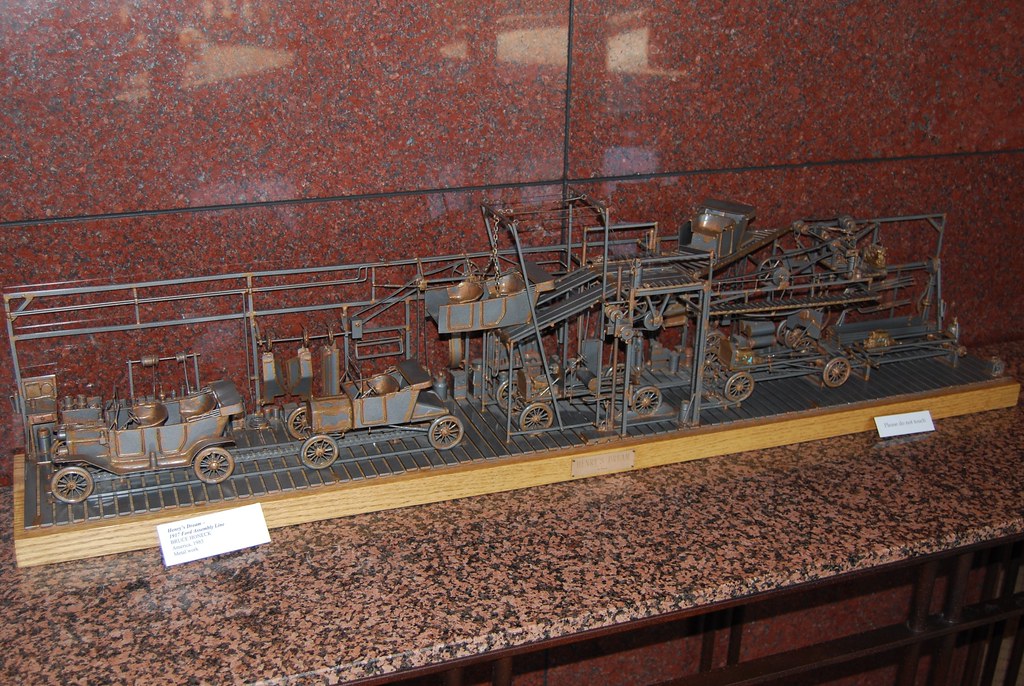
Germany builds more cars than any other country in Europe, and its assembly lines are running short-handed heading into 2026.
From Stuttgart’s premium marques to Munich’s engineering giants and the newer electric-vehicle plants near Berlin, German automakers and their tier-one suppliers are recruiting assembly workers, fitters and quality inspectors at scale. Demand is being driven by the shift to electric vehicle production, which requires retooled lines and additional trained staff even as overall headcount debates continue in the industry.
This guide covers exactly what automotive assembly jobs in Germany involve, realistic salary bands by seniority, where the openings are concentrated, and what non-EU applicants need to know before applying.
If you have manual dexterity, an eye for precision and are open to shift work, this sector offers one of the more stable entry points into German industry — here’s how to get started.

ALDI Careers 2026 – Jobs Hiring Now: Pay & Benefits
Because ALDI runs its stores with a small, cross-trained crew instead of a large staff, each associate takes on more responsibility — and that's a big…
Read the Full Guide →Automotive Assembly Jobs Hiring Across Germany Right Now
Major manufacturers and suppliers in Stuttgart, Munich, Berlin, Cologne and Hamburg are recruiting assembly line staff, fitters and quality inspectors for both combustion and electric vehicle production.
About the Role / What the Job Involves
Automotive assembly work involves fitting components onto a moving production line — from chassis and drivetrain parts to interior trim, wiring harnesses and battery modules on EV lines. Precision matters: most stations follow standardized work instructions (Takt time) and tolerances are checked frequently by both operators and dedicated quality staff.
Plants typically run a three-shift (Schichtsystem) model to keep lines moving around the clock, with night and weekend shift premiums added on top of base salary. Many employers also offer structured onboarding or short apprenticeship-style training (Anlernausbildung) for workers without a formal technical qualification.
Salary, Roles & Openings
| Role / Level | Average Salary (EUR) | Openings Trend | Entry Requirement |
|---|---|---|---|
| Assembly Line Operator (Entry) | €34,500 / year | Rising | No formal qualification, short onboarding |
| Automotive Fitter / Technician | €37,800 / year | Steady | Vocational training (Ausbildung) or equivalent |
| Quality Assurance Inspector | €39,500 / year | Rising | Technical training, precision measurement skills |
| Team Lead (Schichtleiter) | €44,000 / year | Steady | 3+ years experience, leadership skills |
| Production Supervisor (Meister) | €49,500 / year | Growing | Meister qualification or 5+ years experience |
Requirements & Eligibility
EU/EEA citizens can work in Germany without a visa and only need to register their address (Anmeldung) and obtain a tax ID after arrival. Non-EU applicants generally need a valid work visa or an EU Blue Card, with skilled positions such as fitter or technician benefiting from Germany’s Skilled Immigration Act (Fachkräfteeinwanderungsgesetz), while entry-level assembly roles are harder to sponsor unless the employer specifically recruits internationally.
German language ability at least at A2-B1 level is expected on most lines since safety briefings, machine displays and team communication are conducted in German. Standard documents include a passport, CV in German or English, recognised qualification certificates if applicable, and proof of accommodation for the visa application.
Cities With the Most Openings
Stuttgart, home to Mercedes-Benz and Porsche along with a dense network of tier-one suppliers, consistently posts the highest volume of assembly and fitter vacancies in the country. Munich follows closely with BMW’s main plant and its extensive engineering and quality-control workforce.
The area around Berlin has seen a surge in EV-related openings tied to large-scale battery and assembly investment, while Cologne remains a strong market for Ford’s European operations. Hamburg contributes a steady stream of vacancies through automotive component and logistics suppliers linked to the wider vehicle supply chain.
Duties & Daily Responsibilities
A shift typically begins with a safety and quality briefing covering that day’s production targets and any recent line changes. Assembly workers then take their assigned station, fitting or fastening components as vehicles move down the line at a fixed Takt time, using torque tools and checklists to confirm correct installation.
Throughout the shift, operators log any parts shortages or equipment issues to team leads, rotate between stations to reduce repetitive strain, and participate in short quality huddles when defect rates rise. At shift end, workstations are cleaned and handover notes passed to the incoming team to keep the line running without interruption.
Tips to Get Hired Faster
- Highlight any manual assembly, mechanical or precision-tool experience, even outside the automotive sector.
- Start German language study early — even conversational A2-B1 level significantly widens your options.
- If you hold a recognised vocational qualification, get it assessed for German equivalence before applying.
- Apply directly to tier-one suppliers as well as the major automakers — they often hire faster and in larger volumes.
- Be flexible about three-shift rotations, since most entry-level assembly openings require night and weekend availability.
- Mention familiarity with lean manufacturing or 5S workplace organisation if you have it — German plants value it highly.
Best Places to Search & Apply
Search StepStone and Indeed using terms like “Montagemitarbeiter” or “Produktionsmitarbeiter Automobil,” and check the Bundesagentur für Arbeit’s official portal (arbeitsagentur.de), which lists verified vacancies including some with visa sponsorship support for skilled roles. Major automakers and suppliers also post directly on their own careers pages, which is often the most reliable route for larger plants.
Apply through these official channels only, and never pay an agency or “visa processing” fee to a recruiter — legitimate German employers and the Bundesagentur für Arbeit do not charge job seekers for placement.
Frequently Asked Questions
Do I need a vocational qualification to work in automotive assembly in Germany? Not for entry-level line positions, which typically include short employer-provided onboarding, but technician and fitter roles generally require recognised vocational training.
Can non-EU citizens get sponsored for automotive assembly jobs? It’s possible, particularly for skilled fitter or technician roles under the Skilled Immigration Act, but entry-level assembly sponsorship is less common and employer-dependent.
Is German language ability required for these jobs? Yes, at least a basic to intermediate level, since safety instructions and team coordination on the line are conducted in German.
Germany’s automotive plants are hiring now for 2026 production targets — get matched with verified openings before the next intake closes.
