

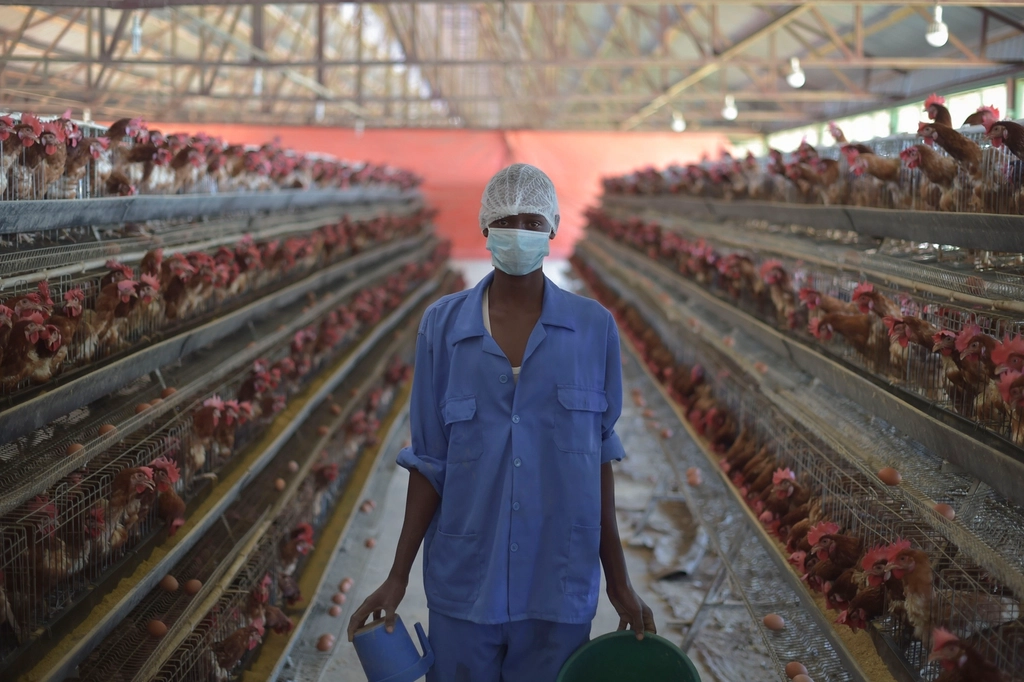
Italy’s poultry industry, one of the largest in southern Europe, is short-staffed on farms and processing lines right when demand for domestic chicken and egg production is climbing.
Large-scale poultry operations across Italy’s Po Valley and central regions raise broilers and laying hens for a domestic market that has grown more reliant on local supply chains, and that growth has created steady openings for farm workers, flock attendants and processing staff. Both Italian-owned agribusinesses and cooperatives are hiring, particularly around Turin, Bologna, Milan, Rome and Naples where feed mills, hatcheries and packing plants cluster near transport routes.
This guide breaks down what poultry farm work actually involves, realistic pay by role and experience level, the visa and language basics you’ll need as a non-EU applicant, the regions with the most openings, and concrete steps to get hired quickly. We finish with direct answers to the most common questions we hear from applicants.
If you don’t mind early starts, physical outdoor-and-indoor work, and animal care, this is a genuinely accessible way into Italian agricultural employment — keep reading for the details.
Chauffeur Driver Jobs in Portugal: Requirements, Skills and Opportunities
Portugal's booming tourism and executive travel scene has turned professional chauffeuring into one of the most stable, well-paid driving careers you can pursue in the country.…
Read the Full Guide →Poultry Farm Hiring Across Italy Right Now
Broiler farms, egg-laying operations and poultry processing plants across northern and central Italy are actively hiring farm hands and flock attendants.
About the Role / What the Job Involves
Poultry farm work in Italy covers everything from daily flock care — feeding, watering, monitoring bird health and temperature control in the sheds — to egg collection, sorting, and preparing birds for transport to processing facilities. Workers on larger commercial farms often specialise in one area, such as broiler shed management or hatchery support, while smaller family-run operations expect more general, all-round duties.
Processing-side roles, based in packing and cutting plants near the farms, involve grading, packaging and quality-checking poultry products under strict hygiene protocols. Both farm and processing work tend to start very early in the morning and can include weekend shifts, since animals and production lines need daily attention regardless of the day of the week.
Salary, Roles & Openings
| Role / Level | Average Salary (EUR) | Openings Trend | Entry Requirement |
|---|---|---|---|
| General Farm Labourer | €17,000 / year | Rising | No experience required |
| Flock Attendant | €19,500 / year | Rising | Basic animal handling experience |
| Poultry Processing Operative | €21,000 / year | Steady | Food hygiene awareness |
| Senior Flock Technician | €23,000 / year | Steady | 2+ years poultry farm experience |
| Farm Shift Supervisor | €25,500 / year | Moderate growth | 3+ years experience, basic supervisory skills |
Requirements & Eligibility
EU/EEA citizens can start work as soon as they’re hired, subject to standard local employment registration. Non-EU applicants need a job offer that fits within Italy’s seasonal or non-seasonal agricultural work visa quota under the “decreto flussi” system, plus a residence permit once in the country — agricultural quotas are often allocated separately from other sectors, so it’s worth checking timing carefully with the employer. A basic food hygiene or HACCP certificate is a plus for processing-line roles and can sometimes be completed after arrival.
Basic Italian is genuinely useful for farm work, since supervisors and co-workers communicate daily instructions in Italian, though many larger operations do accommodate workers who are still learning. You’ll typically need a valid passport, a clean criminal record certificate, a medical fitness statement, and comfort with physically demanding, outdoor-adjacent work in all weather.
Cities With the Most Openings
The area around Turin and the wider Piedmont region hosts a dense concentration of poultry farms and feed suppliers, making it one of the strongest markets for this work. Bologna and the surrounding Emilia-Romagna countryside are similarly active, with several large integrated poultry producers based nearby.
Milan’s logistics and food-distribution hubs support hiring for both farm and processing roles in the surrounding Lombardy region, while Rome and Naples have smaller but steady demand tied to central and southern Italy’s regional poultry operations. Openings near these cities are usually just outside the urban centre itself, in the surrounding agricultural belt.
Duties & Daily Responsibilities
A typical day begins before sunrise with checking shed temperature, ventilation and feed and water lines, followed by physically inspecting the flock for signs of illness or stress. Workers then move through feeding, egg collection or bird-loading tasks depending on the farm’s production stage, keeping detailed records of mortality, feed usage and any health concerns.
Cleaning and disinfecting sheds between flock cycles is a major part of the job and follows strict biosecurity protocols to prevent disease outbreaks. Processing-plant workers instead spend the day on grading, packing and quality-control lines, moving at a steady, consistent pace throughout each shift.
Tips to Get Hired Faster
- Mention any prior farm, livestock or agricultural experience explicitly, even short-term or informal work, since it’s directly relevant here.
- Pick up a basic food hygiene or HACCP certificate before applying to processing-line roles — it’s a fast way to stand out.
- Be upfront about your availability for early starts and weekend shifts, since farms prioritise candidates who can commit to the schedule.
- Learn a handful of basic Italian farm and safety terms in advance to show you’re prepared to integrate quickly.
- Apply directly to regional agricultural cooperatives and poultry producers, not just general job platforms.
- Have your visa or work-permit documents organised early if you’re a non-EU applicant, since agricultural quotas can fill up fast.
Best Places to Search & Apply
Indeed.it and EURES both list poultry and general agricultural vacancies across Italy, including many roles near Turin, Bologna and Milan. Subito.it and InfoJobs.it are also worth checking regularly, since regional farms often post directly rather than through larger recruitment sites.
Only apply through the farm, cooperative or agency’s official listing or verified contact, and never pay a fee to secure a farm job or visa sponsorship — legitimate Italian agricultural employers do not charge candidates for placement.
Frequently Asked Questions
Do I need farming experience to get hired? Not for entry-level roles — many farms train general labourers on the job, though any prior animal handling or agricultural experience helps you get shortlisted faster.
Can non-EU applicants work on Italian poultry farms? Yes, through Italy’s agricultural work visa quota system, but you’ll need a confirmed job offer and should start the visa process as early as possible.
Is the work seasonal or year-round? Most commercial poultry farms operate year-round since flocks need continuous care, though some processing plants see seasonal peaks around holidays.
Poultry farm and processing roles are open now across Italy’s main agricultural regions — get matched to vacancies near you.
