


Real Italian pizzerias are struggling to find skilled pizzaioli fast enough to keep up with tourist season and delivery demand, opening a genuine window for trained pizza chefs to land solid work across the country.
Tourism has bounced back strongly in cities like Rome and Naples, and food-delivery platforms have pushed pizzeria owners everywhere to run longer hours and bigger menus, which means kitchens need more hands who can actually stretch dough and manage a wood-fired or deck oven under pressure. Restaurant groups and independent pizzerias alike are hiring aggressively for the 2026 season, and many are willing to train motivated candidates who show up with basic kitchen discipline.
This guide covers what a pizza chef role in Italy really involves day to day, how pay compares across skill levels, the visa and language realities for non-EU applicants, which cities have the strongest hiring markets, and hands-on tips that help candidates stand out to pizzeria owners who see dozens of applications a week.
If you already know your way around dough or are serious about learning a genuine trade with strong career mobility across Europe, this is exactly the kind of role worth pursuing right now — read on for the specifics.
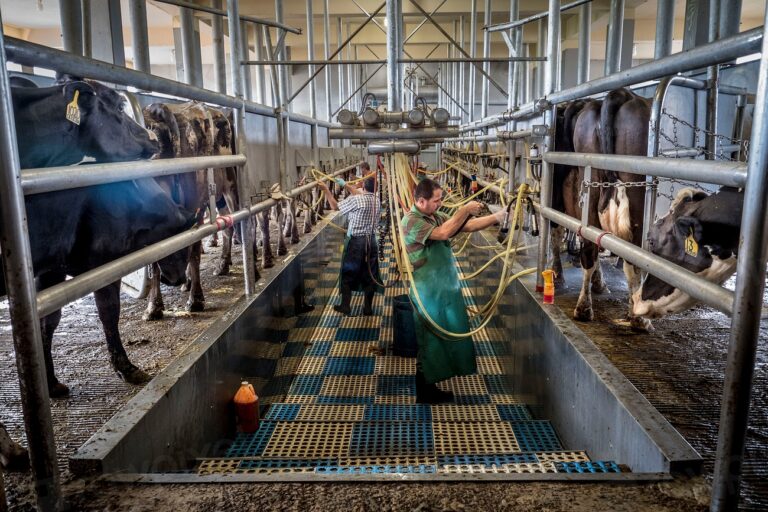
Dairy Farm Helper Jobs in Italy: Requirements, Duties and Opportunities
Italy's dairy belt never sleeps, and right now its farms are short of hands willing to learn the trade from the ground up. From the misty…
Read the Full Guide →Pizza Chef Hiring Across Italy Right Now
Pizzerias, restaurant groups and delivery-focused kitchens across Italy’s major cities are actively hiring pizzaioli for the busy 2026 tourist and delivery season.
About the Role / What the Job Involves
A pizza chef, or pizzaiolo, is responsible for preparing dough, managing fermentation times, shaping and topping pizzas, and controlling a wood-fired, gas or electric deck oven to get the crust and toppings right under real time pressure. The job blends craft with speed: during a busy dinner service, a skilled pizzaiolo can turn out dozens of pizzas an hour while still keeping quality consistent, which is exactly what separates an experienced professional from someone just learning the trade.
Most kitchens start new pizzaioli on prep work — mixing and portioning dough, prepping toppings, and shaping under supervision — before trusting them to run the oven independently during service. With a year or two of solid experience, pizzaioli can move into head-pizzaiolo roles overseeing the pizza station, training junior staff, and having a say in menu development, which is where pay increases the most.
Salary, Roles & Openings
| Role / Level | Average Salary (EUR) | Openings Trend | Entry Requirement |
|---|---|---|---|
| Pizza Prep Assistant | €17,800 / year | Rising | No experience needed |
| Junior Pizzaiolo | €19,500 / year | Steady demand | Basic dough-handling skills |
| Pizzaiolo | €22,500 / year | Rising sharply | 1–2 years oven experience |
| Wood-Fired Oven Specialist | €25,000 / year | Growing fast | Wood-fired oven certification/experience |
| Head Pizzaiolo | €30,000 / year | Moderate | 3+ years experience, team leadership |
Requirements & Eligibility
EU/EEA citizens can apply directly to any pizzeria or restaurant group in Italy without extra paperwork. Non-EU applicants typically need a sponsoring employer to apply for a work permit under Italy’s Decreto Flussi seasonal or non-seasonal quota system, which opens at specific points in the year, so timing an application around quota announcements matters; some pizzerias also hire through specialised culinary training programs that include visa sponsorship.
Conversational Italian is genuinely useful for kitchen communication and reading supplier labels, though many tourist-area pizzerias operate with a mix of Italian and English among staff. Employers commonly ask for a HACCP food-safety certificate (often obtainable locally through a short course), a criminal record check, a valid passport, and, for wood-fired oven roles, evidence of prior hands-on experience since insurance and safety standards around open-flame ovens are strict.
Cities With the Most Openings
Naples, the historic home of Neapolitan pizza, has an enormous concentration of pizzerias and is consistently the strongest market for pizzaiolo roles, particularly for candidates wanting to learn the traditional wood-fired style properly. Rome follows closely, driven by huge year-round tourist footfall and a dense mix of traditional and Roman-style thin-crust pizzerias.
Milan has seen a wave of new pizzeria openings tied to its dining scene and delivery-app growth, offering strong pay for skilled pizzaioli willing to work a fast-paced urban kitchen. Turin and Bologna round out the top five, both with growing food scenes and steady demand for pizzaioli in restaurants, delivery kitchens and university-town late-night spots.
Duties & Daily Responsibilities
A shift typically starts hours before opening with mixing and portioning dough batches for fermentation, prepping sauces and toppings, and checking oven temperature and fuel or gas levels to make sure everything is ready before the first order comes in. During service, the pizzaiolo shapes dough by hand, applies toppings to spec, and manages multiple pizzas in the oven at once, judging cooking time by eye and rotating pies for even char.
Beyond the oven, pizzaioli track dough and ingredient stock, communicate constantly with the kitchen pass and front-of-house about order timing, and clean down the station meticulously between and after services to meet food-safety standards. In busier or higher-end kitchens, pizzaioli also help test new topping combinations or seasonal specials, giving skilled staff a real creative role in the menu.
Tips to Get Hired Faster
- Bring or reference a short video of your dough-shaping and oven work when applying — pizzeria owners hire on demonstrated skill more than resumes.
- Apply directly to pizzerias and restaurant groups in Naples and Rome, where hiring volume and training opportunities are highest.
- Get a HACCP food-safety certificate before applying, since most Italian kitchens require it and having it already saves onboarding time.
- Highlight any wood-fired oven experience specifically, even informal or self-taught — it’s a distinct skill employers actively screen for.
- Learn basic Italian kitchen vocabulary (impasto, forno, farcitura, cottura) to communicate smoothly during a fast-paced service.
- Offer to do a trial shift or stage — many pizzeria owners decide on hands-on trial performance rather than an interview alone.
Best Places to Search & Apply
Search Indeed.it and EURES (the EU’s official job mobility portal) for current pizzaiolo vacancies across Italy, and check Subito and InfoJobs, which frequently list restaurant and hospitality roles with quick hiring turnaround. Local restaurant association job boards and direct outreach to well-known pizzerias in Naples and Rome can also turn up openings before they’re posted online.
Always apply through official restaurant websites or verified job board listings, and never pay any agency, recruiter or “training fee” to secure an interview or job offer — legitimate Italian employers cover any required food-safety training themselves.
Frequently Asked Questions
Do I need formal culinary training to become a pizza chef in Italy? No — many pizzaioli learn entirely on the job, though prior dough-handling experience or a short pizza-making course helps you get hired faster.
Can non-EU citizens work as pizza chefs in Italy? Yes, but it usually requires a sponsoring employer and a work permit under Italy’s Decreto Flussi quota system, so timing your application around quota openings matters.
Is fluent Italian necessary for kitchen work? Not strictly — many tourist-area pizzerias operate with mixed Italian and English staff, though basic Italian makes daily kitchen communication much smoother.
Pizzerias across Naples, Rome, Milan, Turin and Bologna are hiring pizza chefs now — apply today and get matched with a kitchen that fits your skill level.
