

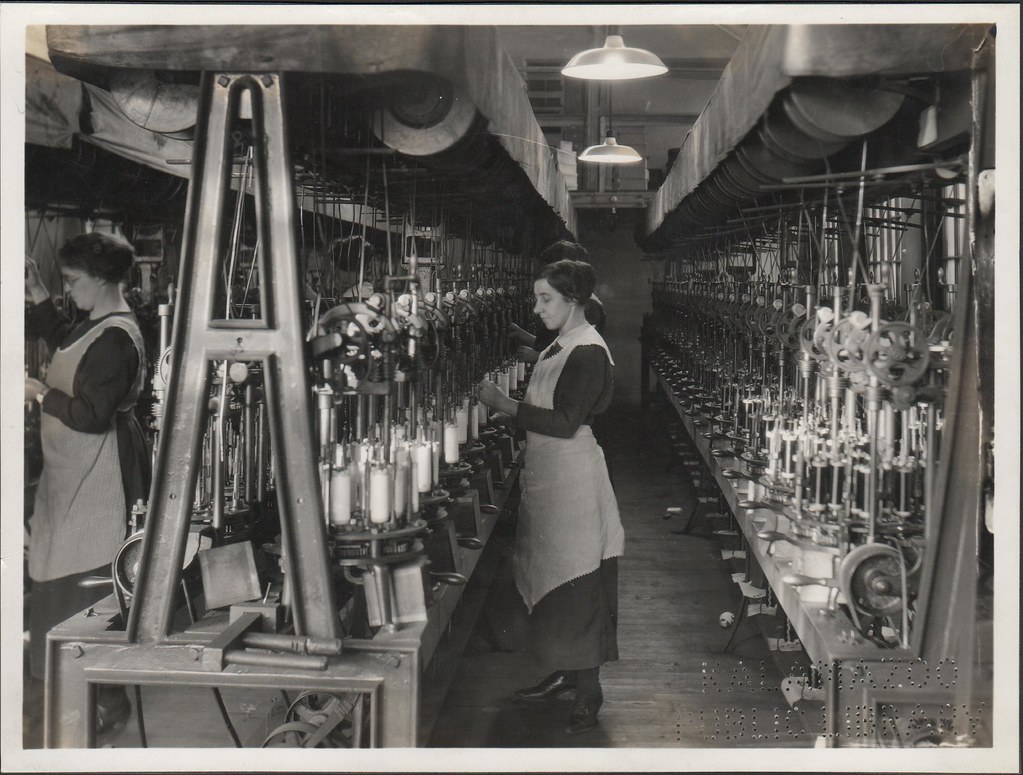
Italy’s factories still power a huge share of its economy — and right now, many of them can’t find enough hands on the line.
Manufacturing remains one of Italy’s largest employment sectors, spanning automotive components, food processing, textiles, machinery and packaging. With an ageing domestic workforce and a rebound in export orders, factories across the country are recruiting production workers, machine operators and quality staff at a pace not seen in several years.
This guide walks through the most common factory roles in Italy, what each one pays, where the jobs are concentrated, and the paperwork you’ll need before your first shift.
Whether you’re looking for a starting point on the production line or aiming to move up into a supervisory role, there’s a realistic path here — keep reading to see how to apply the right way.
Wendy’s Jobs – Hiring Now in the USA
Wendy's locations across the country consistently need crew members, cashiers, cooks, and shift managers, with schedules flexible enough to work for a wide range of job…
Read the Full Guide →Factory Jobs Hiring Across Italy Right Now
Manufacturers in Turin, Milan, Bologna, Naples and Rome are actively recruiting for line worker, machine operator and quality control positions across multiple industries.
About the Role / What the Job Involves
Factory work in Italy covers a wide range of tasks depending on the industry — from assembling automotive parts in Turin to running packaging lines in Bologna’s well-known “Packaging Valley” cluster, or processing food products in plants around Naples and Rome. Entry-level roles typically involve feeding materials into machines, monitoring output, and performing basic visual quality checks.
More experienced staff operate CNC machines, calibrate equipment, or move into quality control, checking finished products against technical specifications before they’re shipped. Most plants run two or three shift patterns to keep production lines going, and overtime during peak order periods is common and usually paid at a premium.
Salary, Roles & Openings
| Role / Level | Average Salary (EUR) | Openings Trend | Entry Requirement |
|---|---|---|---|
| Production Line Worker (Entry) | €19,800 / year | Rising | No prior experience needed |
| Machine Operator | €22,500 / year | Steady | Technical training or 1+ year experience |
| Quality Control Inspector | €24,800 / year | Rising | Attention to detail, basic ISO knowledge |
| Packaging Technician | €26,000 / year | Growing | 2+ years experience with automated lines |
| Production Shift Supervisor | €33,500 / year | Steady | 4+ years experience, team management |
Requirements & Eligibility
EU/EEA nationals can be hired directly with an ID card and a codice fiscale (Italian tax number), which most employers help arrange during onboarding. Non-EU applicants need an authorised work permit — Italy’s annual “decreto flussi” quota system periodically opens limited slots for non-seasonal factory work, so it’s worth checking current quota announcements before applying from abroad, since sponsorship is not guaranteed for every plant.
A working knowledge of Italian (roughly A2-B1 level) is expected on most factory floors since safety instructions and machine manuals are typically in Italian. Standard documents include a CV, ID or passport, proof of address, and any relevant technical certificates or forklift licences.
Cities With the Most Openings
Turin remains a stronghold for automotive component manufacturing tied to the Stellantis supply chain, generating steady demand for line workers and machine operators. Milan and its surrounding Lombardy region host a dense mix of machinery, electronics and consumer goods factories with consistently high vacancy volumes.
Bologna’s Packaging Valley cluster is one of the world’s leading hubs for packaging machinery manufacturing and regularly needs technicians and assembly staff. Naples and Rome round out the list with food processing, textiles and light manufacturing plants offering entry-level openings for newcomers to the sector.
Duties & Daily Responsibilities
A typical shift starts with a safety briefing and equipment check, followed by loading raw materials or components onto the production line. Workers monitor machine output for defects, log production counts, and flag any malfunctions to maintenance staff or shift leaders promptly.
Quality checks are performed at set intervals, with rejected items sorted for rework or disposal according to company procedure. Toward the end of the shift, staff clean their workstation, complete handover notes for the next team, and restock materials for the following shift to start without delay.
Tips to Get Hired Faster
- List any prior warehouse, assembly or manual labour experience, even from a different industry.
- Mention specific machines or tools you’ve used — CNC, forklift, PLC systems — even at a basic level.
- Apply to multiple shifts if you can; night and weekend openings usually get filled the fastest.
- Brush up on basic workplace Italian phrases related to safety and machine operation before interviews.
- Check factory staffing agencies (agenzie per il lavoro) as they handle a large share of Italian manufacturing hiring.
- Be ready to complete a short practical or aptitude test — many factories screen candidates this way.
Best Places to Search & Apply
Search Indeed.it and EURES using terms like “operaio di produzione” or “operatore macchine industriali.” Staffing agencies such as Manpower, Adecco and Randstad Italy handle a significant share of factory recruitment and post daily listings by region. Subito and InfoJobs are also useful for smaller local manufacturers, particularly around Naples, Turin and Bologna.
Apply directly through company career pages or these established platforms, and never pay a fee to a recruiter or staffing agency to be considered for a role — legitimate agencies are paid by the employer, not the candidate.
Frequently Asked Questions
Do I need technical qualifications to start on a factory line in Italy? No, most entry-level line worker roles provide on-the-job training; technical qualifications matter more for machine operator or maintenance positions.
Can non-EU citizens get factory jobs in Italy? Yes, but typically only through employer sponsorship under Italy’s annual work permit quota system, so timing your application to quota announcements helps.
Is Italian language ability essential for factory work? A basic to intermediate level is expected since safety procedures and team communication are usually conducted in Italian.
Don’t wait for the next hiring wave to pass you by — get matched with factory openings that fit your experience level.
