

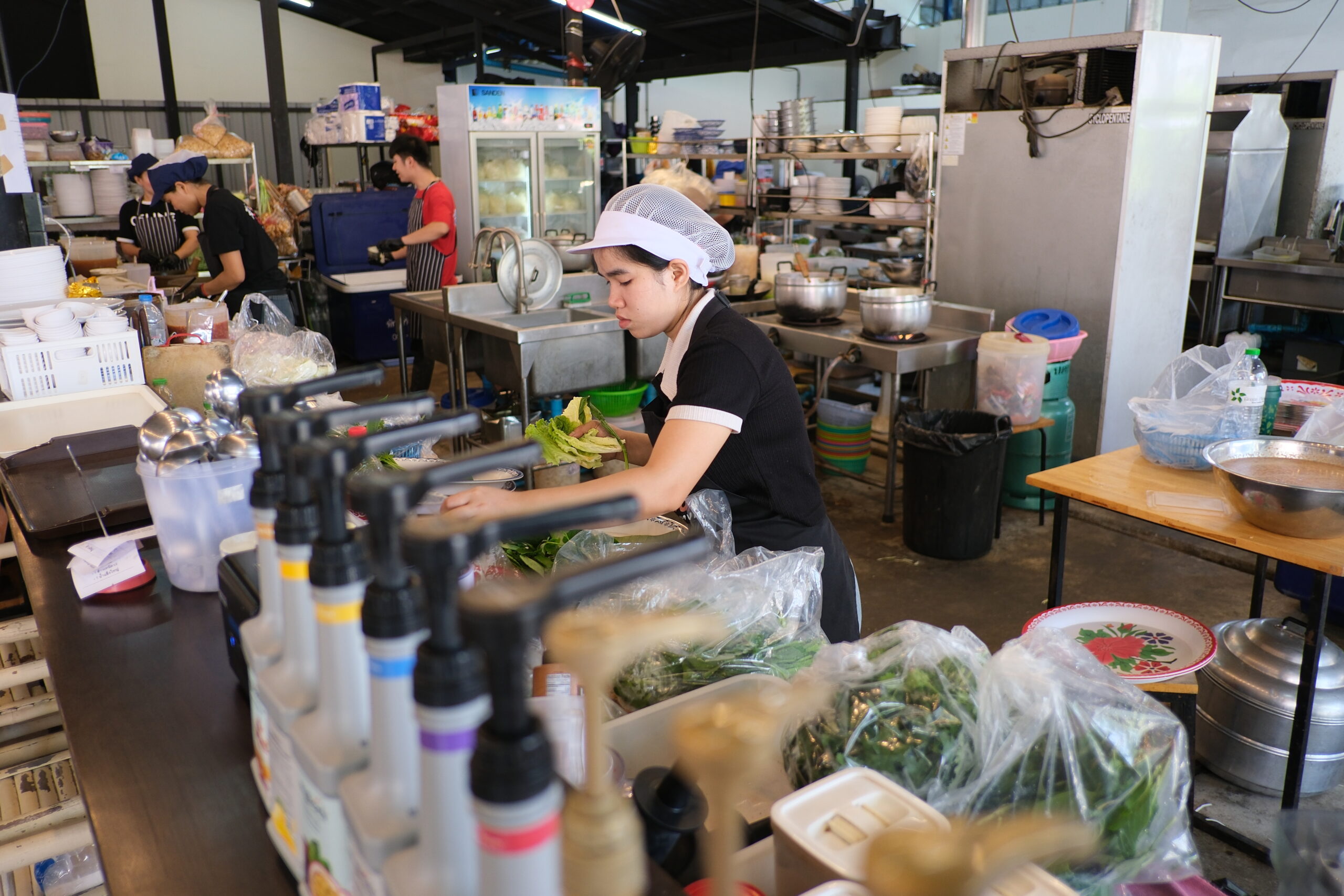
Italy’s restaurants, trattorias and hotel kitchens are quietly short-staffed, and kitchen helper roles are one of the easiest entry points into paid work in the country.
From busy trattorias in Rome to seaside resorts on the Amalfi coast, kitchen teams need reliable helpers who can prep vegetables, wash dishes, plate food and keep a hot kitchen running smoothly during the lunch and dinner rush. Tourism has bounced back strongly across Italy, and with it has come a steady demand for kitchen support staff that Italian hospitality schools alone cannot fill.
This guide walks through what a kitchen helper actually does in an Italian kitchen, realistic salary ranges by experience level, the paperwork and language basics you need, which cities are hiring the most, and where to look for genuine openings without paying recruitment fees.
If you enjoy fast-paced kitchen environments and want a foothold in Italy’s hospitality sector, read on — the roles below are hiring now and most do not require formal culinary qualifications to start.

Dollar Tree Jobs – Hiring Now in the USA
Dollar Tree locations nationwide are consistently in need of cashiers, stockers, and shift leads, making the chain a realistic entry-level retail option for job seekers of…
Read the Full Guide →Kitchen Helper Hiring Across Italy Right Now
Hotels, trattorias and catering companies across Italy are actively recruiting kitchen helpers for the year-round dining trade and the busy tourist season.
About the Role / What the Job Involves
A kitchen helper (aiuto cuoco or commis) supports the chef and line cooks by washing and prepping ingredients, keeping workstations clean, organising deliveries, and helping plate dishes during service. It is physically demanding work that involves standing for long shifts, lifting stock boxes, and working in a hot, fast-moving environment, but it comes with clear opportunities to move up.
Most employers value speed, hygiene awareness and a willingness to learn over formal training. Many kitchen helpers in Italy use the role as a stepping stone toward becoming a line cook or commis chef within a year or two of steady work.
Salary, Roles & Openings
| Role / Level | Average Salary (EUR) | Openings Trend | Entry Requirement |
|---|---|---|---|
| Trainee Kitchen Helper | €17,500 / year | Rising | None, on-the-job training |
| Kitchen Helper | €19,800 / year | Steady | 3+ months experience |
| Senior Kitchen Helper | €21,500 / year | Steady | 1+ year experience |
| Dish/Prep Team Lead | €23,200 / year | Rising | 2+ years, basic Italian |
| Commis Chef (Promotion Track) | €25,000 / year | Rising | Culinary basics or apprenticeship |
Requirements & Eligibility
EU/EEA citizens can work in Italy without a permit. Non-EU applicants generally need a valid work contract from an Italian employer along with sponsorship under Italy’s annual “decreto flussi” quota system, followed by a work visa and residence permit (permesso di soggiorno) once in the country — timelines can be tight, so start the process early and confirm your employer is registered to sponsor foreign staff.
Basic Italian is a real advantage for following instructions quickly during service, though many hotel kitchens in tourist areas also use English day to day. You will typically need a passport, a health certificate showing you’re fit for food handling work (certificato medico), a food hygiene/HACCP basic course (often provided by the employer), and a CV listing any prior kitchen or hospitality experience.
Cities With the Most Openings
Rome and Milan post the highest volume of kitchen helper vacancies thanks to their density of restaurants, hotels and catering companies, with Milan’s business-district canteens and Rome’s tourist-zone trattorias hiring almost continuously.
Naples offers strong seasonal demand tied to its pizzeria culture and coastal tourism nearby, while Turin and Bologna — both known for serious food traditions — regularly need kitchen support for their trattorias, university canteens and food-focused hotels.
Duties & Daily Responsibilities
A typical shift starts with receiving and checking deliveries, washing and chopping vegetables, and setting up prep stations before service begins. During lunch and dinner rushes, kitchen helpers plate garnishes, refill sauces and ingredients for the line, and keep pans and utensils moving through the wash station without slowing the kitchen down.
After service, duties shift to deep-cleaning surfaces and equipment, restocking the walk-in fridge, storing leftovers correctly, and taking out waste in line with Italian food-safety rules. Helpers who show initiative are often given small prep tasks that build toward cooking responsibilities over time.
Tips to Get Hired Faster
- Learn basic Italian kitchen vocabulary (tagliare, sbucciare, pulire) — it speeds up communication during busy service.
- Highlight any food hygiene or HACCP certification on your CV, even a short online course.
- Apply directly to hotels and restaurants in tourist cities before peak season (March–April) when hiring accelerates.
- Be upfront about your visa status and ask employers early if they can sponsor a work permit.
- Show willingness to work split shifts and weekends — Italian hospitality runs on lunch and dinner service blocks.
- Ask about staff accommodation, common in coastal resort towns, to cut your early cost of living.
Best Places to Search & Apply
Search Indeed.it and Subito for direct restaurant and hotel listings, check EURES (the official EU jobs portal) for employer-sponsored roles open to international applicants, and browse InfoJobs for hospitality-specific postings across major Italian cities.
Always apply through the employer’s official listing or verified job portal, and never pay an agency or “recruiter” upfront to secure an interview or job offer — legitimate Italian employers do not charge candidates application fees.
Frequently Asked Questions
Do I need culinary school to become a kitchen helper in Italy? No, most kitchen helper roles are entry-level and trained on the job; culinary school helps for faster promotion but isn’t required to start.
Can non-EU citizens get kitchen helper jobs in Italy? Yes, but you’ll need an employer willing to sponsor you through Italy’s decreto flussi work-permit quota, so confirm sponsorship before relocating.
Is accommodation usually provided? Some hotels and resorts, especially in coastal and mountain tourist areas, offer staff housing or a housing allowance — always confirm this in writing before accepting an offer.
Kitchen helper roles across Italy are hiring steadily — start your search today and take the first step into Italian hospitality.
