

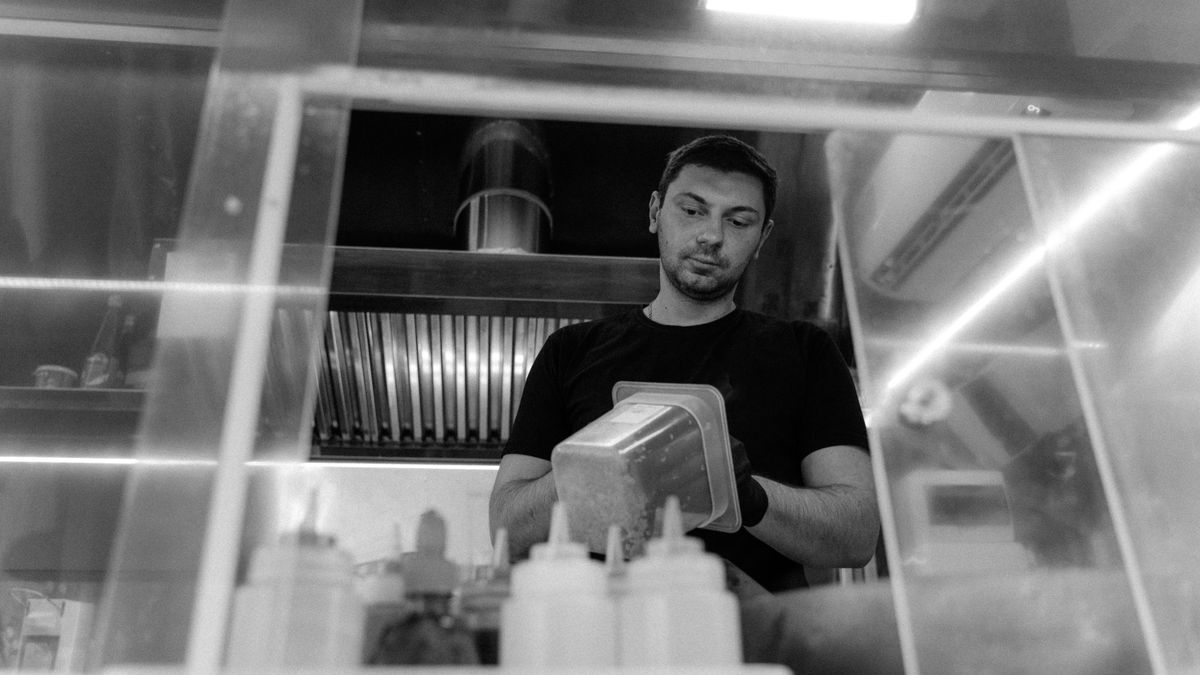
Burger King restaurants across the USA regularly need crew members, cashiers, cooks, and shift leaders, making it a solid choice for fast, flexible work.
Whether you’re after your first job, a flexible schedule around school, or a stepping stone toward restaurant management, Burger King locations are a common entry point into the workforce. Most restaurants are independently owned and run by franchisees, so pay, benefits, and hiring speed can shift from one location to the next, but the core roles and skills needed stay fairly consistent nationwide.
This guide walks through the typical positions you’ll find at a Burger King restaurant, what the work actually involves day to day, realistic pay ranges based on publicly reported industry data, and how to build an application that gets noticed. We’ll also cover interview basics and answer the questions job seekers ask most often.
Keep in mind this article is independent, general career information and isn’t affiliated with, endorsed by, or published on behalf of Burger King or its parent company. For current openings, official pay details, and to apply, always go straight to the official Burger King Jobs careers website, since listings and requirements differ by franchise owner and location.

Top Jobs Hiring Now in the USA
The United States is hiring at a striking pace right now, and this guide gives you a clear picture of where the best opportunities sit today.…
Read the Full Guide →Your Guide to Landing a Role at the Home of the Whopper
Fast food hiring moves quickly, so a bit of preparation goes a long way.
⏰ Flexible Shifts
📈 Room to Grow
🎓 No Degree Needed
🤝 Team Environment
Common Roles You Can Apply For
Most Burger King locations build their teams around a handful of core roles. Crew members form the backbone of the restaurant, rotating through the front counter, drive-thru window, and food prep stations based on the day’s needs. Cooks and grill staff concentrate on preparing food to order while following portion and safety standards, and maintenance and cleaning duties get shared across the shift. Cashiers and drive-thru attendants handle orders, payments, and customer service, often serving as the first and last point of contact for guests.
Above crew level, shift leaders or supervisors run a specific shift, coordinate staffing, and troubleshoot issues like equipment problems or busy rushes. Assistant managers and restaurant general managers handle scheduling, inventory, hiring, and overall store performance. A lot of people who start as crew members move into these leadership roles within a year or two, since franchisees often prefer promoting from within rather than bringing in outside managers.
What a Typical Shift Looks Like
Shifts at a quick-service restaurant like Burger King move fast, especially during breakfast, lunch, and dinner rushes. Crew members juggle multiple tasks at once: taking orders, assembling sandwiches, restocking supplies, and keeping the dining area and kitchen clean, all while following food safety rules. Training happens on-site and doesn’t require prior restaurant experience, though being comfortable on your feet for a full shift and staying calm under pressure will help a lot.
Since restaurants run long hours, many locations offer morning, afternoon, evening, and overnight shifts, which makes it easier to build a schedule around school, a second job, or family responsibilities. Part-time and full-time positions are both common, and many franchisees welcome students and first-time job seekers as long as they meet the minimum age requirement, usually 16 in most states.
Pay, Benefits, and Growth Potential
Pay at Burger King restaurants shifts quite a bit by state, city, and whether the location sits in a high minimum-wage market. Entry-level crew positions generally start near local minimum wage in lower-cost areas and climb higher in cities with elevated minimum wage laws or competitive labor markets. Shift leaders and assistant managers typically earn more to reflect the added responsibility, and general managers at busy locations can earn a meaningful salary with performance bonuses on top.
Benefits differ by franchise owner, but many offer meal discounts, flexible scheduling, and raises tied to performance reviews. Some larger franchise groups also provide health insurance, paid time off, or 401(k) options for full-time employees who meet tenure requirements. Since Burger King restaurants are mostly franchised, it’s worth asking about specific benefits during your interview rather than assuming they match everywhere.
Typical Roles, Pay Ranges, and Requirements
| Role | Approx. Hourly Pay* | Experience Needed | Typical Schedule |
|---|---|---|---|
| Crew Member | $11 – $17 | None, on-the-job training | Part-time or full-time |
| Cashier / Drive-Thru | $11 – $17 | None, customer service helpful | Part-time or full-time |
| Cook / Grill Staff | $12 – $18 | None, food handling training given | Part-time or full-time |
| Shift Leader | $13 – $19 | Some crew experience preferred | Full-time, varied shifts |
| Assistant Manager | $14 – $21 | Supervisory experience helpful | Full-time |
| Restaurant General Manager | $42,000 – $61,000/yr | Management experience required | Full-time, salaried |
*Approximate national ranges for general orientation only; actual pay depends on location, franchise owner, local minimum wage, and experience.
Tips for a Strong Application
- Apply directly through the official Burger King Jobs careers website to see real openings near you.
- Keep your resume simple: list any customer service, cash handling, or teamwork experience, even from non-restaurant jobs.
- Spell out your full availability clearly, including weekends and early mornings, since flexible scheduling is a major hiring plus.
- Dress neatly and arrive early if you’re invited for an in-person interview at the restaurant.
- Be ready to explain how you handle a busy, fast-paced environment using a real example.
- Follow up politely a few days after applying if you haven’t heard back, since hiring managers are often juggling the restaurant floor too.
Frequently Asked Questions
Do I need experience to work at Burger King? No, most crew-level positions are entry-level and include on-the-job training, making them a common first job.
How old do you have to be to apply? Most states allow hiring at 16, though some roles or states may require applicants to be 18; check the specific listing.
Is Burger King hiring near me right now? Openings vary by location and change often, so check the official Burger King Jobs careers website for current listings in your area.
How long does the hiring process usually take? Quick-service restaurants often move fast, sometimes offering interviews within days of applying and a start date shortly after.
Can you move up from crew member to management? Yes, many shift leaders and managers started as crew members, since franchisees often prefer promoting reliable staff internally.
Are part-time and full-time positions both available? Yes, most locations offer both, which makes it easier to fit work around school or other commitments.
Want more career guidance and tips to get your job search moving?
