

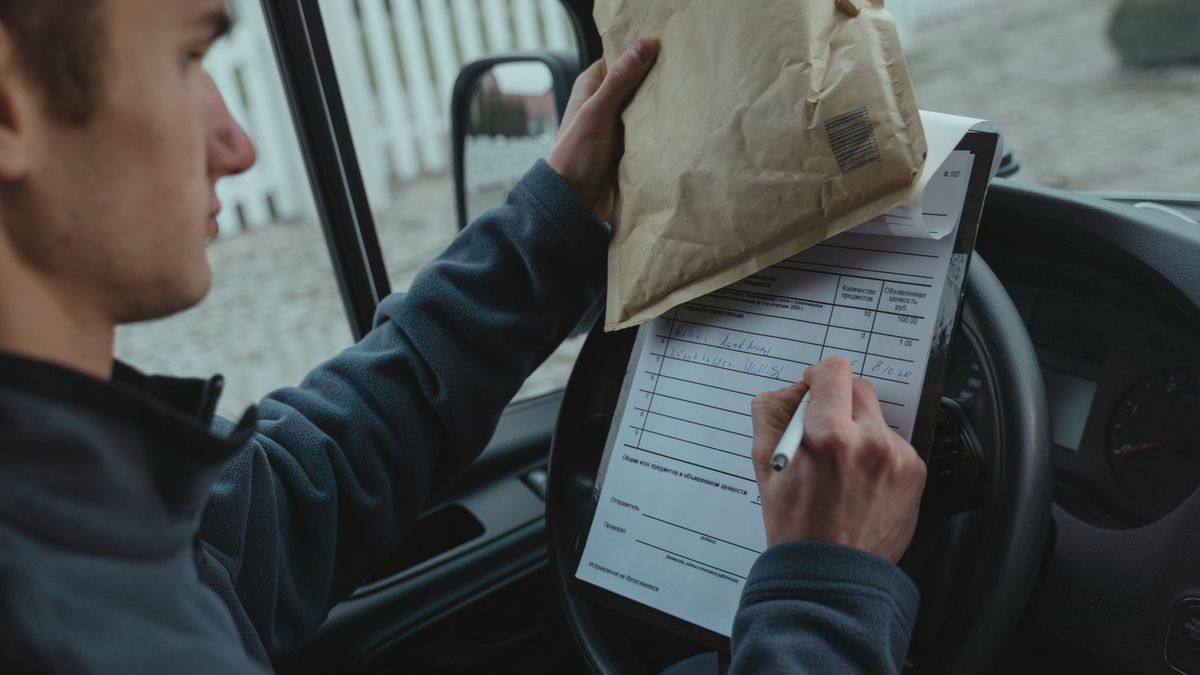
Across the United States, delivery driver openings keep multiplying, bringing flexible hours, solid pay, and a quick route into steady work that skips the degree requirement.
Whether it’s last-mile packages or food and grocery runs, companies nationwide are bringing on drivers in major metros and smaller towns alike. Online shopping habits show no sign of fading, and companies constantly need to backfill drivers who get promoted into dispatch, logistics, or management. Whether your goal is a full-time job with benefits or a side hustle around school or another job, delivery driving offers an unusually broad range of ways in.
The appeal here is how low the entry bar sits. Most positions ask only for a valid driver’s license, a reasonably clean driving record, and dependable transportation, and many companies handle training on their own vehicles, routes, and apps. Warehouse or logistics experience isn’t required, and a background check is usually the biggest obstacle rather than a long resume.
This guide lays out honest pay ranges, the different flavors of delivery work available, and concrete steps to land a job fast. We’ll also touch on common interview questions and tackle the questions job seekers bring up most about breaking into delivery driving today.

Data Analyst Jobs in the USA – Salary & Career Opportunities
Data analyst roles across the United States combine solid entry-level pay, flexible remote arrangements, steady demand, and a real path toward higher-paying specialized analytics careers. Nearly…
Read the Full Guide →Behind the Wheel: America’s Fastest-Growing Driving Careers
Get paid to keep the country moving, one delivery at a time.
💵 Weekly Pay
📦 No Degree Needed
🗺️ Local Routes
⚡ Fast Hiring
Types of Delivery Driver Jobs
Delivery driving spans a much wider range of work than most people assume. Package delivery drivers handle parcels for national carriers and regional courier outfits, typically running set routes in a company vehicle. Food and grocery delivery drivers use their own cars to get restaurant orders or grocery runs to customers, usually assigned trips through an app on demand. There are also route sales drivers restocking vending machines, snack racks, or store shelves, plus independent contractors working through gig platforms who build their own schedule.
Each type fits a different kind of lifestyle. If predictable hours and a paycheck with taxes already withheld sound better, a company employee route is likely the stronger fit. If you’d rather work whenever suits you, gig-based food and grocery delivery gives you that freedom, though you’ll need to track your own mileage and expenses for taxes since you’re generally classified as an independent contractor.
What Employers Are Looking For
Reliability and safety top the list for most delivery employers. A valid license matching the vehicle you’ll drive, a record free of serious violations, and the ability to clear a background check are the baseline requirements. For bigger vehicles like box trucks or step vans, some companies want a clean record spanning three to five years and may require a DOT medical certificate.
Physical stamina counts too, since many roles mean lifting packages, walking up to doors, and hopping in and out of the vehicle dozens of times per shift. Customer-facing skills matter as well, given that you’re often the only representative of the company a customer ever sees. Punctuality, clear communication, and careful package handling are the habits that get drivers noticed for training or supervisor promotions.
Pay, Schedules, and Benefits
Delivery driver pay shifts depending on the role, the region, and whether you’re an employee or a contractor. Company drivers working for national carriers or regional courier businesses typically bring in $18 to $26 an hour, with higher figures in pricier metro areas and for drivers handling larger vehicles. Full-time positions frequently come with health coverage, paid time off, and retirement plan access after a probationary stretch.
Gig-based food and grocery drivers usually earn through a combination of base pay, per-delivery fees, and tips, which can average roughly $15 to $25 an hour worked depending on the market, time of day, and how efficiently orders are accepted and completed. Weekend evenings and holidays tend to pay best since both demand and bonuses climb. Remember that gig earnings are before vehicle costs like gas, upkeep, and insurance, which should factor into your real take-home rate.
How to Get Hired Quickly
Apply directly through each company’s official careers page or driver portal instead of relying solely on general job boards, since many delivery employers hire continuously and move through applications fast. Have your license, proof of insurance, and vehicle registration ready to upload, and expect an online background check that can take anywhere from a few days to two weeks.
For company routes, apply to more than one employer at once since timelines differ. For gig delivery apps, fully completing your profile and clearing identity verification is usually the only thing standing between you and your first delivery. Plenty of new drivers are earning within a week of starting the process.
Delivery Driver Roles at a Glance
| Role Type | Typical Pay Range | Vehicle Needed | Best For |
|---|---|---|---|
| Package Delivery (Employee) | $18–$26/hr | Company vehicle | Steady full-time work with benefits |
| Food Delivery (Gig) | $15–$22/hr | Own car or bike | Flexible part-time schedules |
| Grocery Delivery (Gig) | $16–$24/hr | Own car with cargo space | Bigger tips, larger orders |
| Route Sales/Merchandising | $17–$23/hr | Company van or truck | Set routes, repeat customers |
| Regional Courier | $19–$27/hr | Company or personal vehicle | Local knowledge, faster routes |
| CDL/Box Truck Delivery | $22–$30/hr | Box truck (may need license) | Higher pay, more training |
Tips for New Delivery Drivers
- Make sure your license, insurance card, and registration are all current before applying anywhere.
- Start using a mileage tracking app right away if you’re driving your own car for gig work.
- Map routes around traffic patterns to cut down on wasted time and fuel.
- Dress for the weather and stash a phone charger, water, and snacks in the vehicle.
- Reach out to customers proactively about delays rather than letting an app notification do it for you.
- Note your busiest local hours so you can schedule shifts when both demand and pay peak.
Frequently Asked Questions
Do I need a special license to become a delivery driver? Most car- and van-based delivery jobs only call for a standard state license. Larger box trucks or commercial vehicles may need a commercial driver’s license or a DOT medical certificate, so verify the specific role’s requirements before applying.
Can I do delivery driving as a part-time job? Yes. Gig-based food and grocery platforms let you pick your own hours, which is why they’re popular with students, parents, and people juggling a second job.
Will I need my own vehicle? Depends on the role. Company employee positions usually supply a vehicle, while most gig apps expect you to use your own car, scooter, or bike.
How fast can I start earning? Gig platforms often get approved drivers going within a few days once sign-up and background checks clear. Company employee roles usually take one to two weeks for onboarding and training.
Are benefits available for delivery drivers? Full-time roles with package carriers and courier companies often bring health insurance, paid time off, and retirement plans after a waiting period. Independent contractor gig work typically skips these perks.
What should I expect in a delivery driver interview? Expect questions about your driving history, availability, comfort lifting packages, and how you handle time pressure or difficult customers. Staying specific and calm in your answers goes a long way.
Ready to find a delivery driver role that fits your schedule and goals?
