

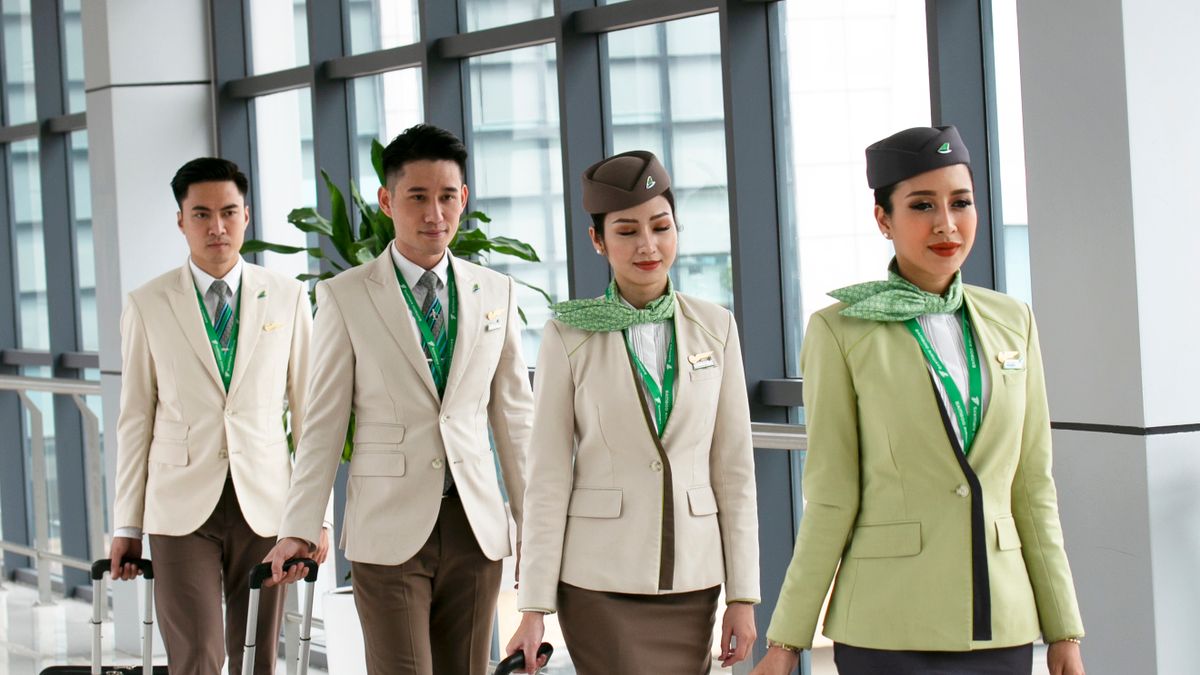
Thinking about a Delta-style airline career in 2026? Here’s a straightforward, independent look at the roles airlines typically staff, what they tend to pay, the perks involved, and how the hiring process really works.
As one of the biggest names in U.S. air travel, Delta Air Lines employs people in dozens of job families, from gate agents and ramp crews to flight attendants, pilots, aircraft technicians, and office-based corporate staff. With hubs and stations scattered across the country, the company is almost always hiring somewhere, though the pace shifts with travel seasons and network growth. Anyone eyeing an aviation career benefits from learning what each job family actually involves and pays before sending out applications at random.
Below you’ll find a breakdown of the airline job categories you’ll commonly see advertised, ballpark salary figures pulled from public industry data, and the perks airline staff often receive, including flight benefits and medical coverage. We also cover what recruiters tend to prioritize so you can put together a competitive application. None of this guarantees a specific opening or wage, since airline staffing levels and pay scales shift constantly and depend on your base city, tenure, and any applicable labor agreements.
One more note: this is an independent, informational resource only. It has no affiliation with, endorsement from, or connection to Delta Air Lines. For real job listings, verified pay information, and to actually apply, go straight to Delta’s official careers site, which is the only place current openings and requirements are maintained.

Hospital Helper Jobs in Italy: Requirements, Duties and Career Opportunities
Italian hospitals and private clinics are quietly running short of ward assistants, and hospital helper jobs have become one of the easiest entry points into Europe's…
Read the Full Guide →Grounded, In the Air, or Behind the Scenes: Mapping an Airline Career Path
Airline jobs span the ground, the cabin, and the cockpit, each with its own training path and pay scale.
🧳 Ground Ops
🔧 Maintenance
💼 Corporate
🎧 Customer Service
Common Job Categories at a Major Airline
A carrier the size of Delta typically staffs across several wide job families. Gate and ramp agents manage check-in, boarding, luggage handling, and turning aircraft around between flights, and this is often the easiest way into the industry, needing little beyond a high school diploma and a willingness to work rotating shifts. Reservations and contact center staff handle customer calls and chats, and some of these positions allow remote or hybrid arrangements.
Flight attendants hold one of the more glamorous and competitive jobs, requiring an airline training course, FAA certification, and solid people skills. Becoming a pilot means logging flight hours and earning a commercial license, usually building experience at a regional carrier first before moving up to a major airline; a formal aviation degree can help but isn’t always mandatory. Maintenance technicians must hold an FAA Airframe and Powerplant (A&P) certificate. Meanwhile, corporate departments like IT, finance, marketing, and human resources keep the business running and hire through fairly standard office recruiting processes.
What Hiring Teams Typically Look For
Because flight schedules demand around-the-clock coverage, airlines put a premium on dependability — nights, weekends, and holiday shifts are simply part of the deal. For roles dealing directly with the public, staying calm and pleasant when travelers are frustrated matters just as much as technical skill. Nearly any position with airport badge access also requires a spotless background check, which typically means a decade-long employment history review plus fingerprinting under federal security rules.
Flight attendant candidates should expect scrutiny around height or reach (tied to safety equipment), swimming ability, and openness to relocating near a crew base. Pilots and technicians must maintain active certifications and pass periodic medical exams and skills checks. Across virtually every job family, showing genuine enthusiasm for aviation and flexibility with your schedule tends to leave a strong impression in interviews.
Pay Expectations and How They Vary
Airline compensation rarely boils down to a simple hourly rate. Pilots and flight attendants, for instance, are usually compensated in part by flight hours logged, with premiums for international trips, seniority, and reserve duty. Ground staff and customer service employees are more likely to see traditional hourly wages that grow with time on the job, plus differentials for overnight, early, or holiday shifts.
Where unions are in play, contracts often dictate pay increases tied to years of service rather than one-on-one negotiation. Geography plays a role too — jobs at expensive hub cities usually pay more than the identical role at a smaller regional airport. Treat any published figures as a rough guide, since real offers hinge on the exact role, location, and whatever labor agreement currently applies.
General Salary Ranges by Role (Informational Estimates)
| Role | Typical Pay Range (Annual) | Experience Needed | Key Requirement |
|---|---|---|---|
| Airport Customer Service Agent | $31,000 – $44,000 | Entry-level | High school diploma, flexible schedule |
| Ramp/Cargo Agent | $35,000 – $47,000 | Entry-level | Physical stamina, valid driver’s license |
| Reservations Agent | $32,000 – $45,000 | Entry-level | Strong communication skills |
| Flight Attendant | $41,000 – $78,000+ | Training program | FAA certification, relocation flexibility |
| Aircraft Maintenance Technician | $56,000 – $98,000 | 2+ years / certification | FAA A&P license |
| First Officer / Pilot | $92,000 – $255,000+ | Flight hours + license | Commercial pilot certification |
| Corporate (IT, Finance, HR) | $54,000 – $112,000 | Varies by role | Relevant degree/experience |
Tips for a Stronger Application
- Rework your resume so it foregrounds customer service, safety awareness, and reliability, even if that experience comes from an unrelated field.
- Only submit applications through the official Delta careers site so you don’t fall for lookalike scam pages.
- Before applying for flight attendant or pilot roles, read the certification and physical eligibility requirements closely so you know you qualify.
- Prepare to answer questions about your availability for nights, weekends, and holidays — flexibility carries real weight in airline hiring.
- Look into the carrier’s hub cities to figure out which locations might open up more often for the role you want.
- Send a professional follow-up after applying, and keep your contact details and certifications up to date in your profile.
Frequently Asked Questions
Do I need a college degree to work at Delta? Plenty of entry-level ground and customer-facing jobs need nothing more than a high school diploma, whereas corporate, pilot, and certain technical positions usually call for a relevant degree or certification.
What benefits do airline employees typically receive? Industry-wide, employees commonly get health coverage, retirement plans, paid leave, and travel perks like standby or discounted flights for themselves and qualifying family, though the exact package depends on the employer and role.
How competitive is flight attendant hiring? It’s usually fierce, since these positions draw a huge number of applicants at major carriers — a polished, tailored application and clear communication skills help you stand out from the crowd.
Can I apply if I have no prior airline experience? Absolutely — most ground and customer service jobs are built for newcomers to the industry, though skills from customer service or logistics backgrounds definitely help.
Where should I go to see actual current openings? Go directly to Delta Air Lines’ official careers site, since it’s the only source that reflects current listings, locations, and requirements in real time.
Is this website affiliated with Delta Air Lines? No. This is independent, general-interest content about airline careers and carries no affiliation with, endorsement from, or representation of Delta Air Lines.
Want help mapping out an airline career path and sharpening your application before you apply?
