


What you do in the gap between signing your offer letter and walking into the building on day one often shapes how ready you actually feel.
Getting the offer is only half the battle — the choices you make in the days that follow matter just as much. Managers and coworkers form early opinions fast, and arriving prepared, calm, and informed sends the message that you’re serious about the role. A missing document or uncertainty about what to wear can turn an exciting day into a stressful one for no good reason.
A bit of upfront planning saves you from first-day panic. Sorting out your paperwork, scouting your route to the office, and squaring away small logistics ahead of time leaves your brain free to focus on what counts — getting to know your team and understanding your new responsibilities. None of this needs more than a few scattered hours in the days leading up to your start.
Below is a practical rundown of everything worth handling before day one — documents, mindset, and everything in between — so you arrive settled rather than scrambling.
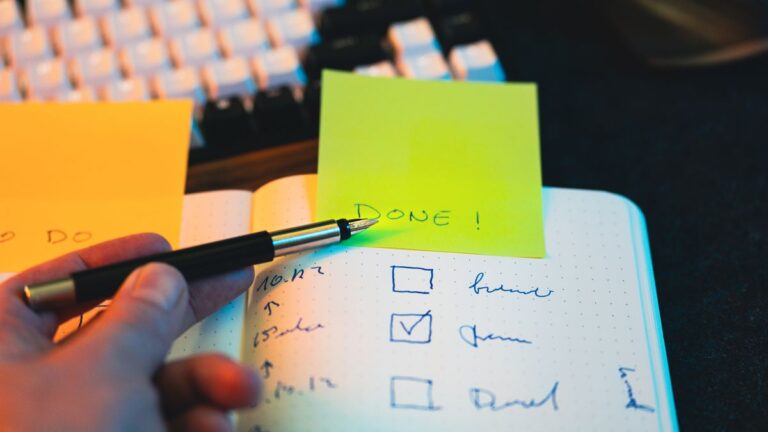
Job Application Checklist: Everything You Need Before Applying
One forgotten attachment or misspelled detail can end your chances before a recruiter even gets to the substance of your resume. Searching for work is draining…
Read the Full Guide →Your Pre-Start Game Plan, Step by Step
A bit of planning ahead of time can swap first-day nerves for first-day confidence.
👔 Dress Code
🗺️ Commute
💻 Tech Setup
🤝 First Impressions
Gather Your Paperwork Early
Nearly every US employer will ask for Form I-9 identity documents (think a passport, or a driver’s license paired with a Social Security card), your direct deposit details, and a completed W-4 for tax withholding, usually by your first day. Your offer letter or new-hire email should spell out the exact list, since it shifts depending on the company and field.
Track these down at least a week in advance instead of scrambling the night before. Replacing a lost Social Security card or getting a certified copy of a document can take anywhere from one to three weeks, so don’t leave it to the last minute. It also helps to scan or photograph everything in case the originals go missing.
Confirm Logistics and Test Your Commute
Double-check your exact start time, where to show up, and who you should ask for at the door. For hybrid or remote positions, nail down which days you’re expected in-office and whether your manager wants you logged in by a certain time. A short confirmation email a few days beforehand (“Confirming I’ll be at the 5th Street entrance by 9 a.m. Monday”) heads off awkward mix-ups.
If your route to work is unfamiliar, run through it at the same time you’ll actually be traveling on day one. Rush-hour traffic, packed parking lots, and train delays look nothing like they do on a calm weekend. Pad your actual travel time by 15 to 20 minutes just in case.
Set Up Your Tech and Accounts
Check with HR or your recruiter about whether you’ll be issued a laptop, phone, or login credentials beforehand, and whether they expect any setup done in advance. If you’re working remotely, make sure your internet connection is solid, your workspace is quiet, and any needed software — video calling apps, a VPN client, and the like — is already installed.
For companies running Slack, Microsoft Teams, or other project tools, watching a short tutorial the night before can keep you from feeling lost in your first team meeting. It’s a small effort with a quick payoff.
Plan Your Outfit and First Impression
If nobody mentioned the dress code during your interviews, just ask your recruiter or new manager directly — something like, “Is there a dress code, or is business casual fine for my first day?” Most workplaces default to business casual, though tech, retail, and creative fields tend to be more relaxed, while finance, law, and government jobs usually lean more formal.
Set out your clothes the night before, along with your bag, ID badge if you have one, and anything else you need to bring. Clearing these small decisions out of your morning frees up mental bandwidth for the job itself.
Your First-Day Checklist at a Glance
| Task | When to Do It | Why It Matters | Quick Tip |
|---|---|---|---|
| Gather I-9 and tax documents | 1 week before | Needed to legally start work and get paid | Scan copies as backup |
| Confirm start time and location | 3-5 days before | Keeps your first impression on track | Send a short confirmation email |
| Test your commute route | 2-3 days before | Keeps you from running late on day one | Drive or ride it during rush hour |
| Set up tech and accounts | 2-3 days before | Gets you working faster once you start | Ask IT when setup should happen |
| Plan your outfit | Night before | Cuts down on morning decision fatigue | Match what the company usually wears |
| Prepare introduction and questions | Night before | Sets you up to make a solid impression | Have 2-3 smart questions ready |
| Pack essentials (ID, notebook, snack) | Night before | Keeps your morning stress-free | Leave a bag ready by the door |
Habits That Make the First Week Easier
- Show up 10 to 15 minutes ahead of time — any earlier and you risk standing around awkwardly.
- Carry a notebook and pen; jotting visible notes during introductions signals that you’re paying attention.
- Pick up names the moment you hear them instead of planning to look them up afterward.
- Have a brief, natural response ready for “tell me about yourself” when meeting the team casually.
- Check back in with HR a few days in if any paperwork or benefits sign-up is still hanging.
- Cut yourself some slack — feeling a bit overwhelmed during week one is normal, not a red flag.
Frequently Asked Questions
What paperwork is legally required on my first day? Most US employers ask for Form I-9 identification — a passport, or a driver’s license plus Social Security card — along with a filled-out W-4 for taxes and your direct deposit information for payroll.
Is it okay to ask about the dress code beforehand? Definitely. It’s a completely normal question for your recruiter or hiring manager, and asking beats guessing wrong on your first day.
What should I do if I never got login credentials or a first-day agenda? Contact HR or your manager a couple of days ahead to confirm the details — it shows you’re proactive and saves you from a confusing first morning.
Can I push back my start date if I need extra time to prepare? Usually, yes — especially if you’re relocating, wrapping up notice at a previous job, or dealing with personal matters. Most employers anticipate a two-to-four-week gap and will accommodate reasonable requests.
How early should I show up on the actual day? Plan on arriving 10 to 15 minutes before your official start time. Showing up much earlier can catch a receptionist or manager off guard before they’re ready.
Besides documents, what else should I bring on day one? Pack a notebook, a pen, valid photo ID, a snack or water bottle, and a curious, upbeat attitude — all of it goes a long way in your first week.
A new job is a clean slate to start building momentum right away, so put in the prep work and walk in ready to go.
